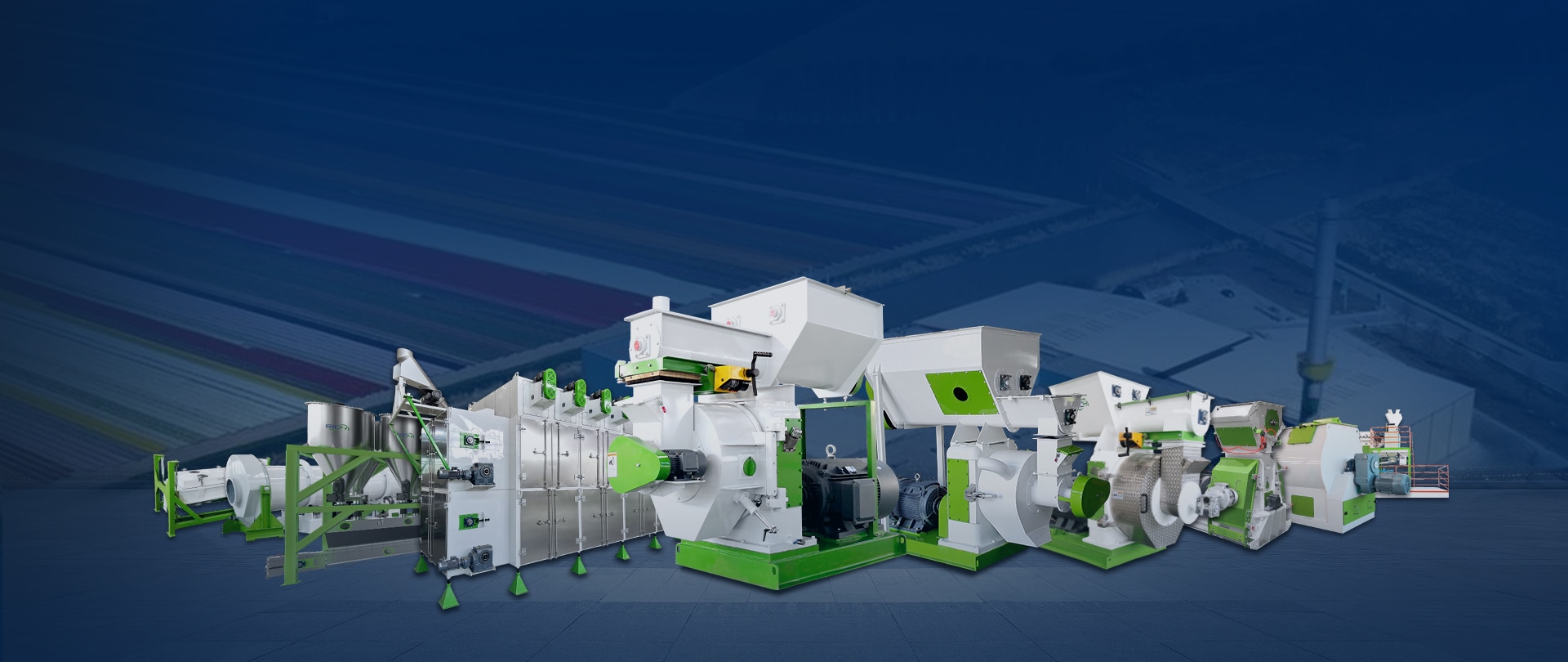
Macchina per la produzione di fertilizzanti
Non esiste una macchina perfetta per ogni applicazione, per questo serviamo una vasta gamma di settori legati alla produzione di fertilizzanti e offriamo una linea completa di macchinari per la produzione di fertilizzanti, accessori e soluzioni impiantistiche per portare a termine il lavoro. Scopri una selezione completa di attrezzature per la produzione di fertilizzanti in vendita, adatte a tutte le tue esigenze applicative industriali. Disponiamo di tutto, dalle attrezzature nuove agli accessori. Scegli le attrezzature in base al tuo budget e ai tuoi obiettivi per avviare la tua attività di produzione di fertilizzanti.

Impianto di frantumazione

Sistema di miscelazione

Sistema di essiccazione

Sistema di pellettizzazione

Sistema di raffreddamento
Sistema di screening

Sistema di imballaggio
macchina per la produzione di fertilizzanti organici
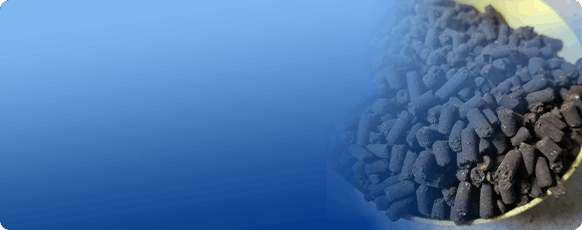
macchina per la produzione di fertilizzanti composti

macchina per la miscelazione di fertilizzanti alla rinfusa
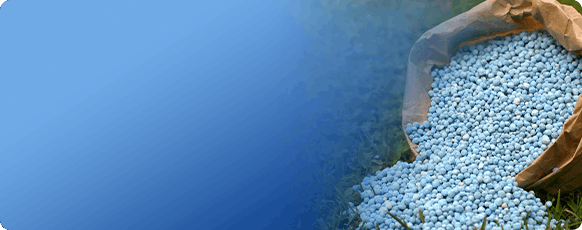
macchina per la produzione di fertilizzanti biologici

Scopri le attrezzature per la produzione di fertilizzanti di RICHI:
Centro per la produzione di fertilizzanti
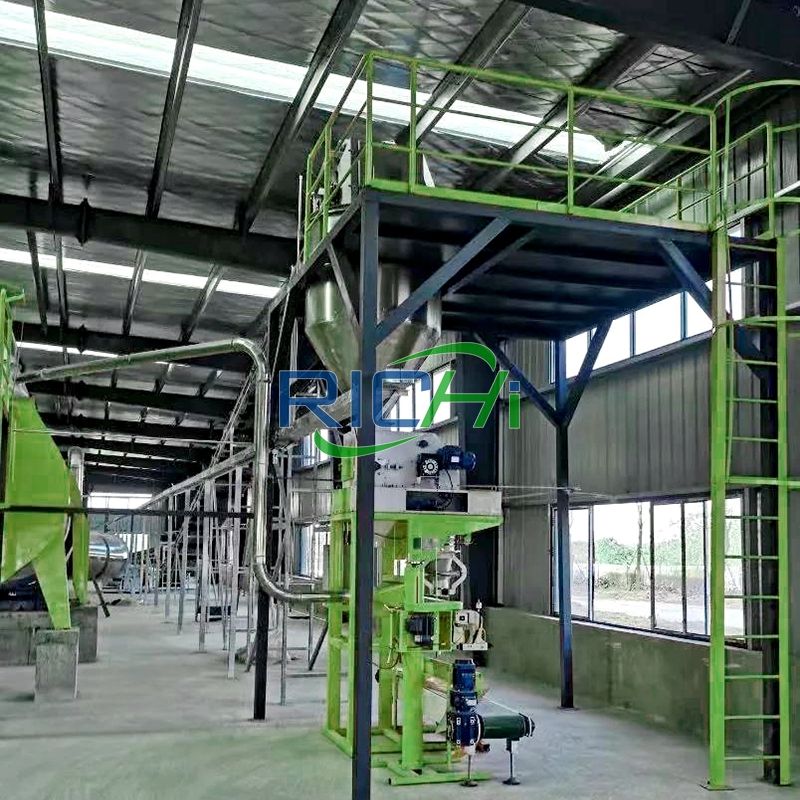
Le attrezzature per la produzione di fertilizzanti vengono utilizzate in tutti i processi, dalle materie prime ai prodotti finiti. In questo processo, le principali attrezzature utilizzate comprendono frantoi, miscelatori, impianti di dosaggio e pesatura, essiccatori, rivoltatori, fermentatori, granulatori, vagli, bilance di confezionamento, macchine per il rivestimento con pellicola, nastri trasportatori, impianti di depolverazione, impianti di deodorizzazione, compressori d'aria, caldaie e altre attrezzature.
A seconda del tipo di prodotto da lavorare (concime organico, concime composto, concime miscelato sfuso, concime bio-organico, concime NPK, compost), la combinazione delle attrezzature per la produzione di concimi varia. Se desiderate avviare un’attività di lavorazione dei concimi, vi invitiamo a contattarci prima. Progetteremo gratuitamente per voi una tecnologia di lavorazione dei fertilizzanti in base ai vostri prodotti, alla scala di produzione, all’area del progetto e ad altri fattori, per poi configurare le attrezzature corrispondenti e fornirvi un preventivo preciso!
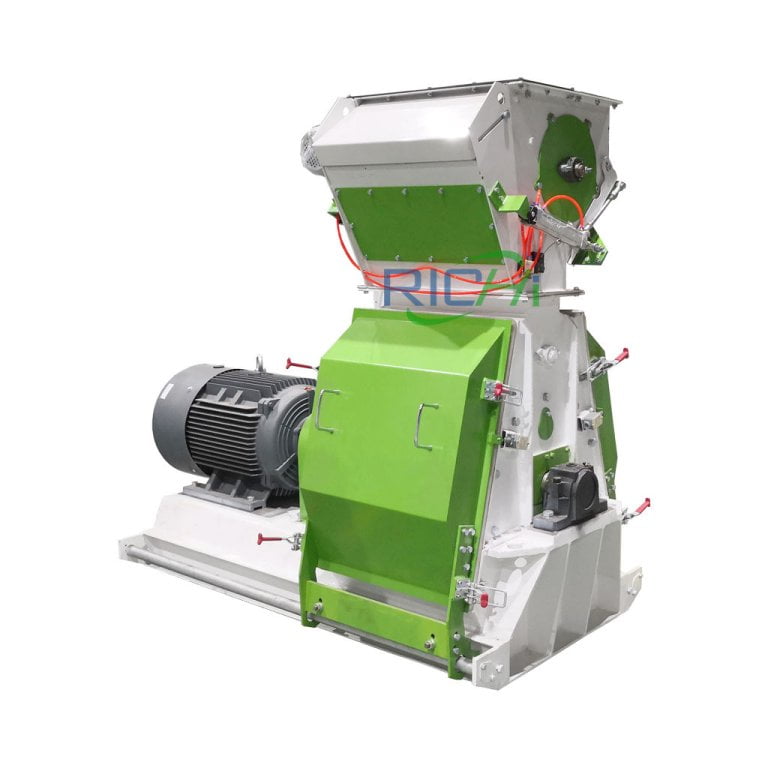
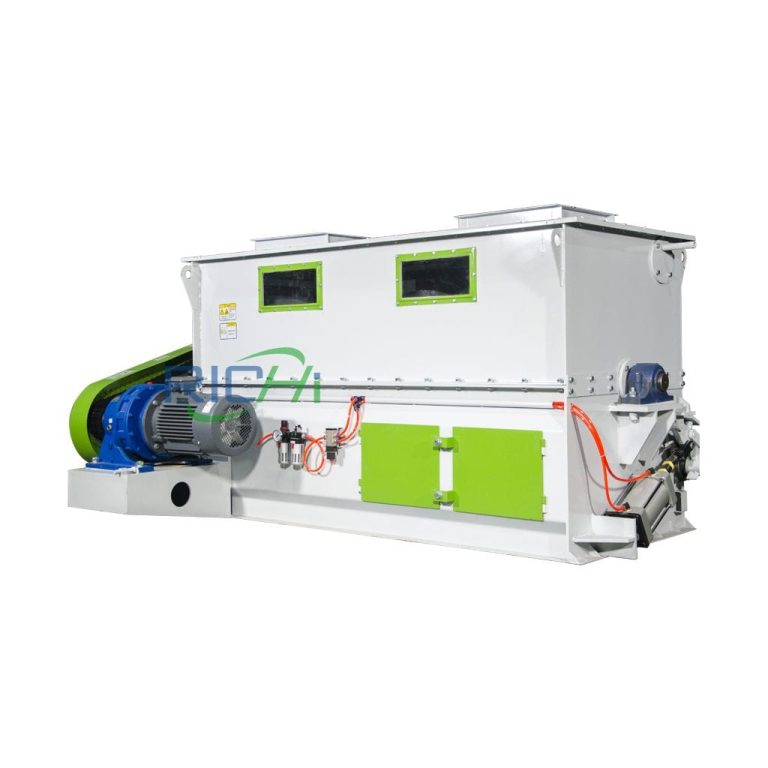
macchina frantumatrice per fertilizzanti
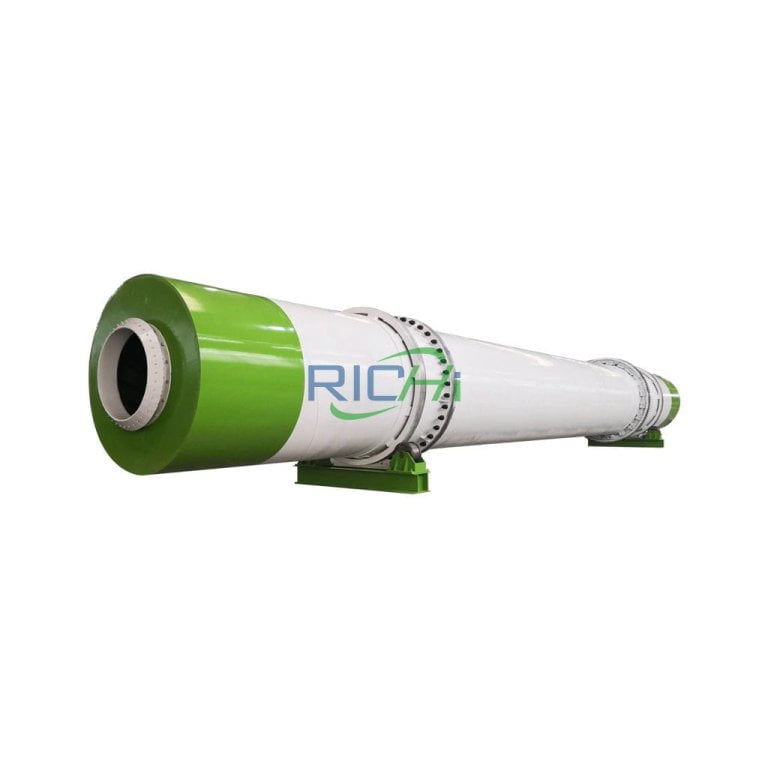
macchina per l'essiccazione dei fertilizzanti
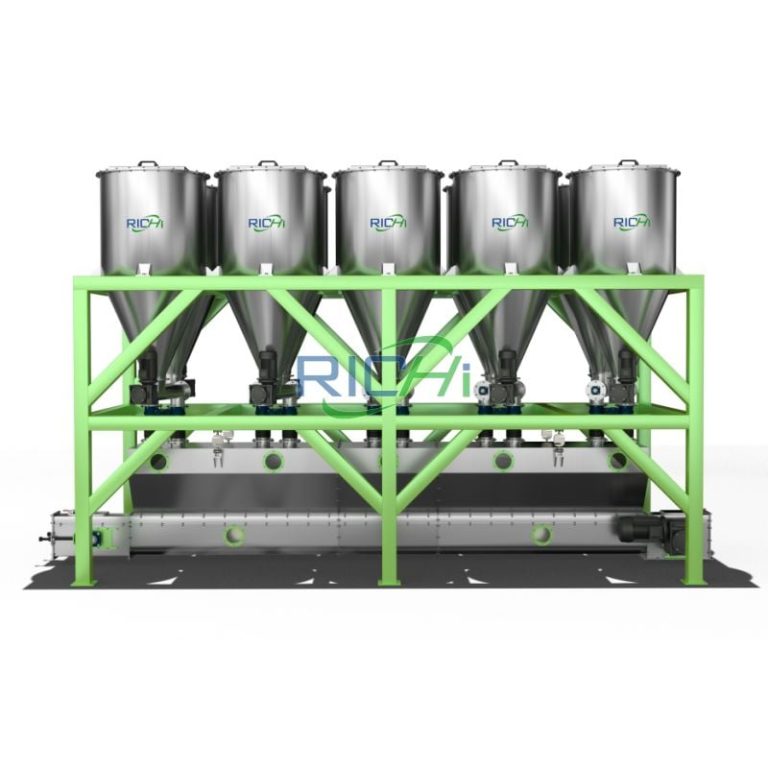
Sistema di dosaggio a peso
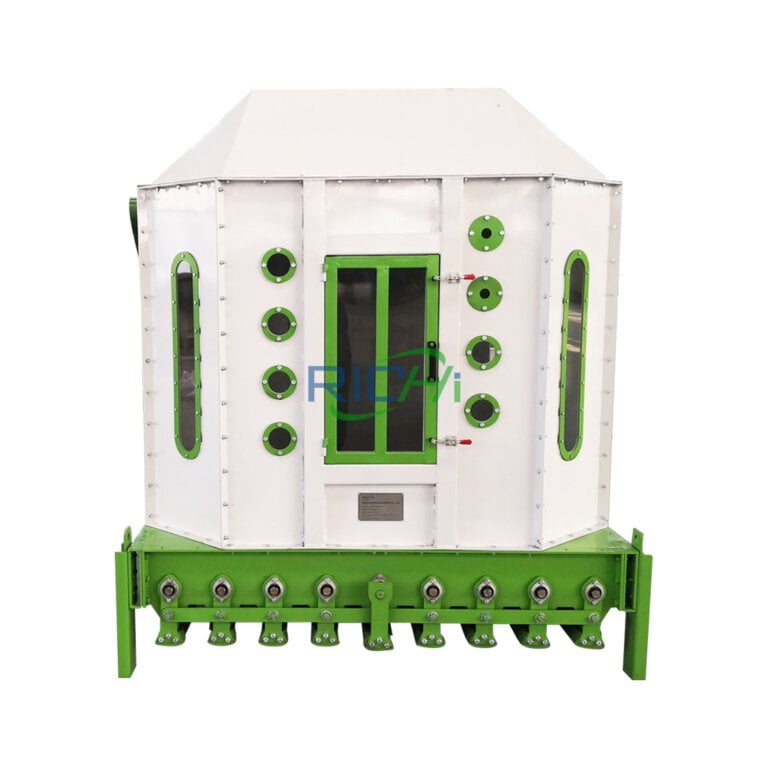
macchina per il raffreddamento dei fertilizzanti
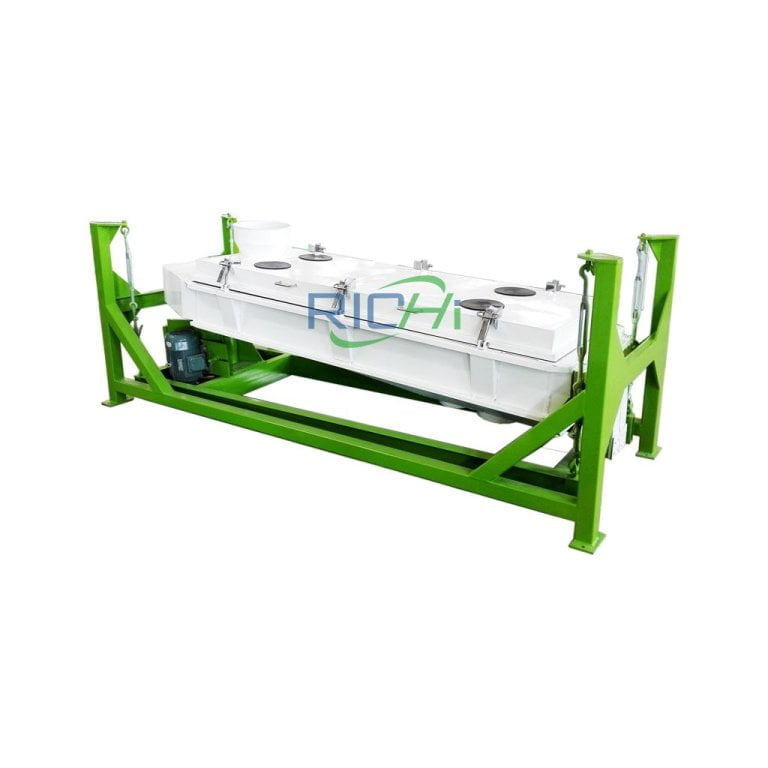
macchina vagliatrice per fertilizzanti
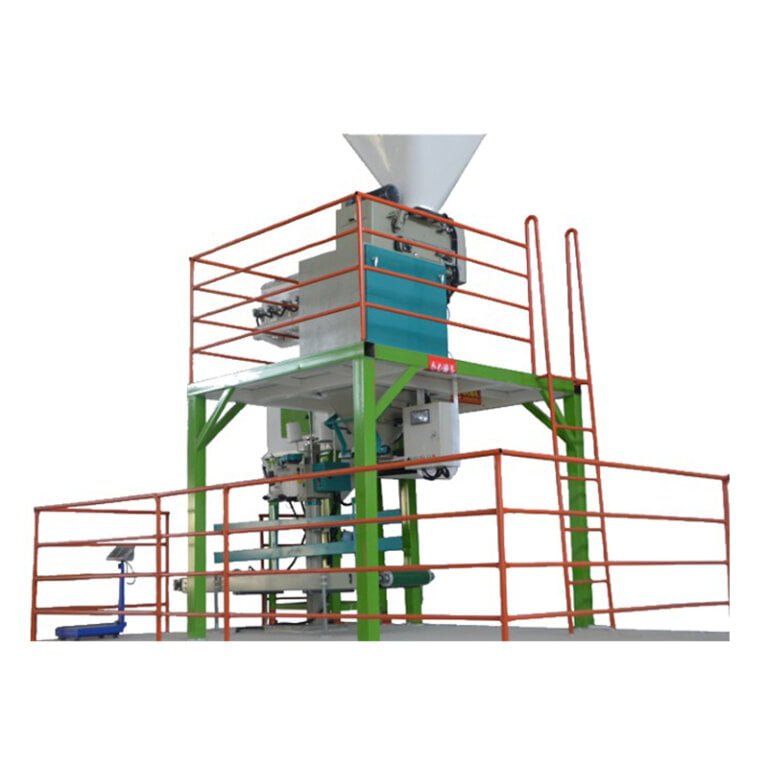
macchina per l'insaccamento di fertilizzanti
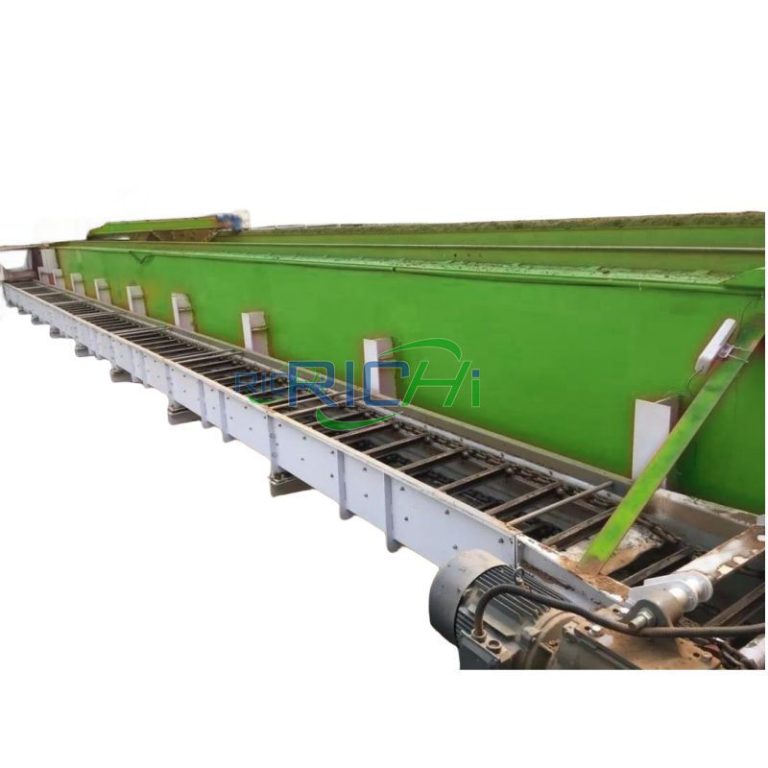
rivoltatore per compost di letame
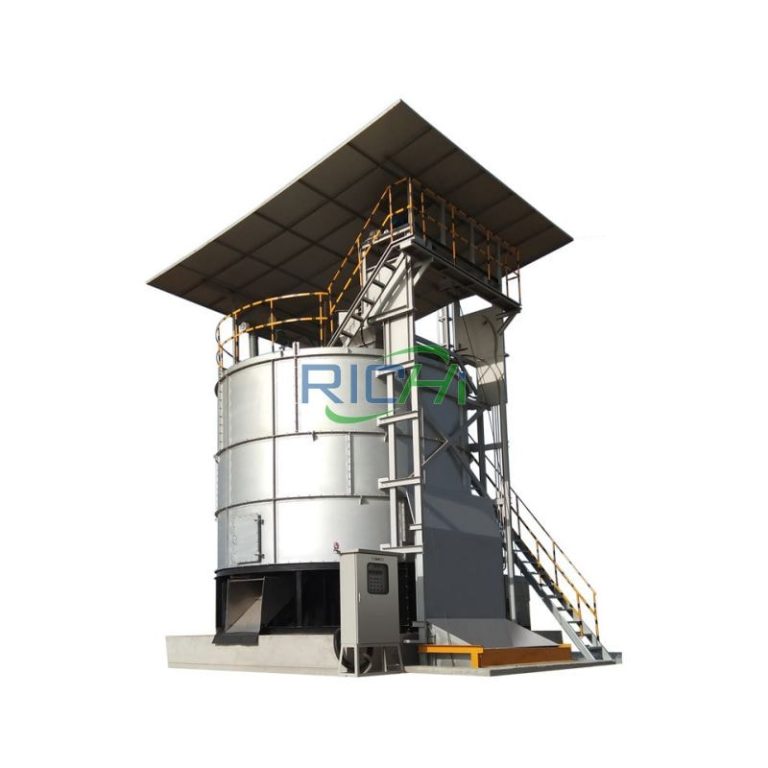
Serbatoio di fermentazione
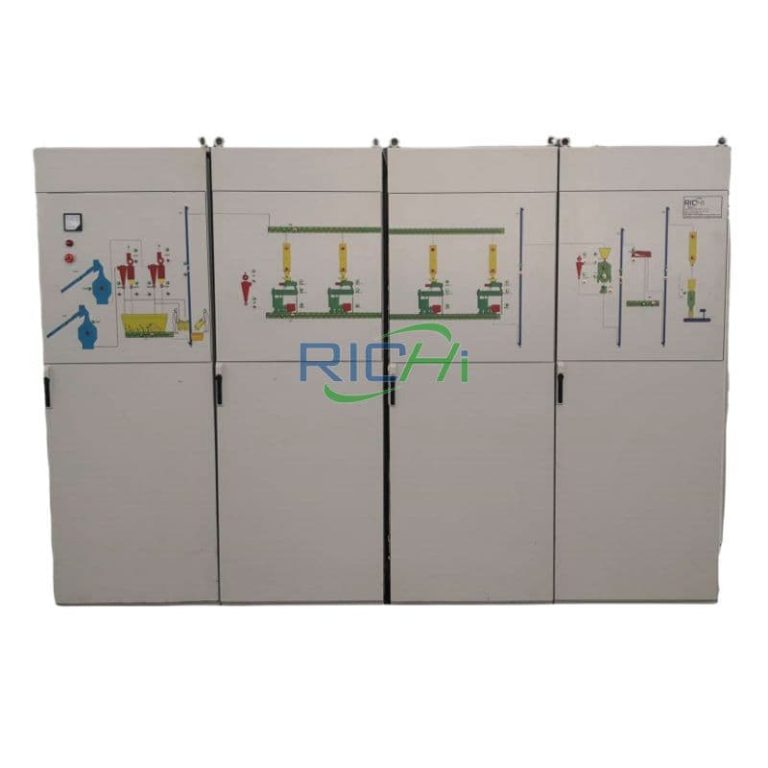
Quadro elettrico di comando
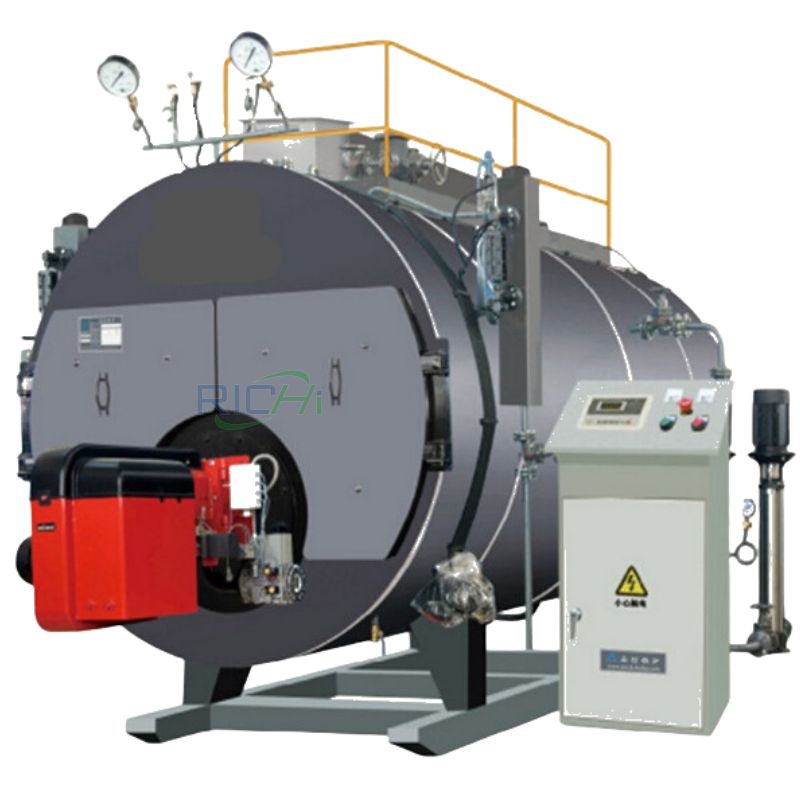
Caldaia a vapore
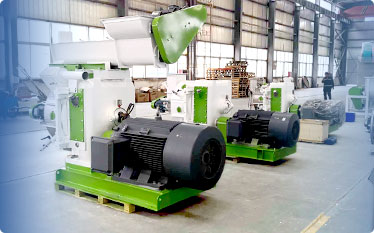
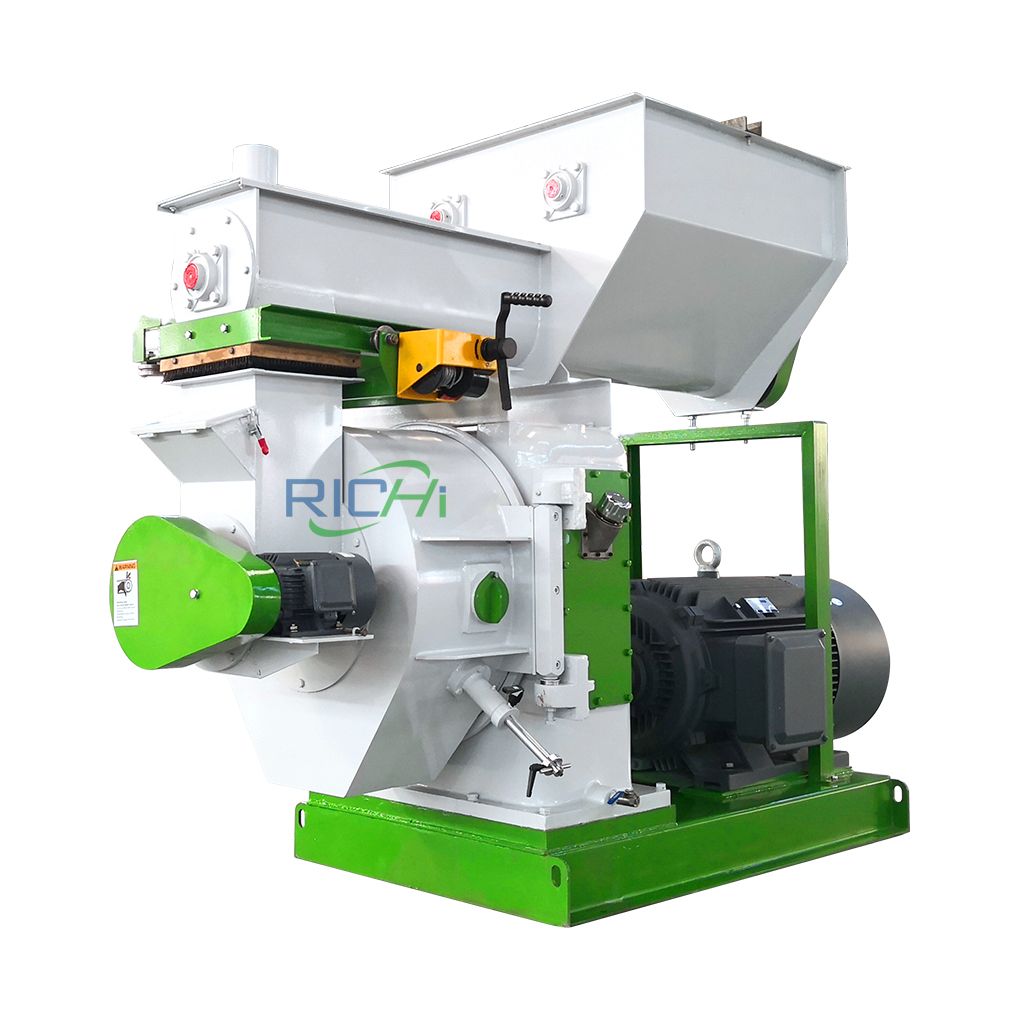
Attrezzature principali – macchina per la produzione di pellet di fertilizzante
— Richi Machinery —
Nella lavorazione dei fertilizzanti composti, dei fertilizzanti organici e dei fertilizzanti bio-organici, esiste un processo molto particolare, ovvero la granulazione. È possibile trasformare il fertilizzante in polvere in granuli rotondi o cilindrici. Indipendentemente dal tipo di materia prima, che si tratti di fertilizzante organico o inorganico, le nostre attrezzature per la pellettizzazione dei fertilizzanti sono all'altezza della sfida.
macchina per la produzione di pellet di letame di pollo
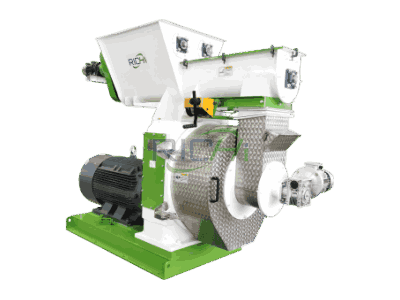
macchina per la produzione di pellet di compost
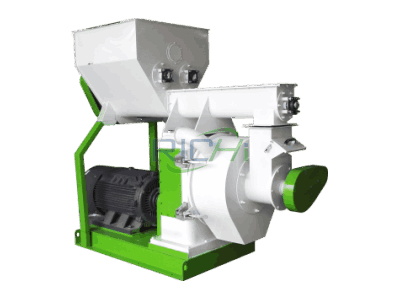
macchina per la produzione di pellet di sterco di vacca
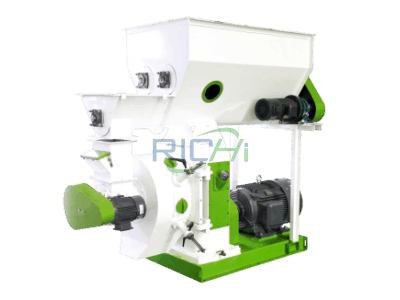
granulatore per fertilizzanti nPK
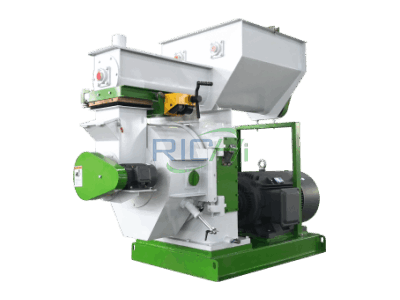
macchina per la produzione di pellet di letame equino
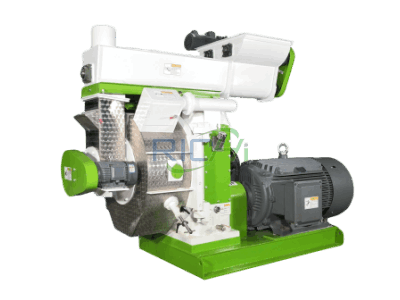
macchina per la produzione di pellet di letame avicolo
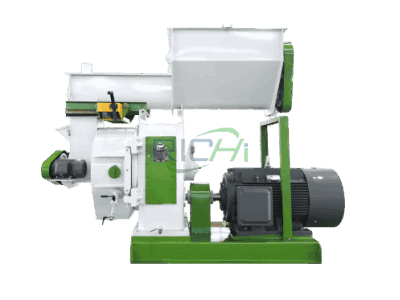
Richi Machinery
specialista leader nel settore delle attrezzature per fertilizzanti
Alla RICHI MACHINERY, i nostri servizi relativi ai prodotti comprendono tutto ciò di cui il vostro progetto ha bisogno per avere successo, tra cui progettazione e ingegnerizzazione specializzate, produzione di qualità e servizi di realizzazione su disegno.
Potrai accedere alla nostra ampia selezione di macchine nuove per la produzione di fertilizzanti, accessori, sistemi di alimentazione e persino a corsi di formazione completi. Il nostro obiettivo è aiutarti a prendere le decisioni migliori per portare a termine il lavoro nel modo giusto.
Ogni progetto relativo a un impianto di produzione di fertilizzanti che abbiamo realizzato testimonia il nostro impegno verso l’eccellenza e la nostra dedizione a garantire la continuità delle vostre attività. In poche parole, ci prendiamo cura di voi.
Disponiamo delle attrezzature più resistenti e affidabili, ottimizzate per applicazioni che spaziano dall’agricoltura all’allevamento di bestiame e pollame, al riciclaggio dei rifiuti e molto altro ancora. Cerchi qualcosa di specifico? Contatta subito i nostri consulenti tecnici.

Scopri l'ampia gamma di soluzioni offerte da RICHI per la produzione di fertilizzanti
Grazie alla tecnologia di produzione di fertilizzanti RICHI, si riducono i costi di manodopera eliminando gli sprechi di tempo e si ottimizza il flusso di processo. Le soluzioni di progettazione delle linee di produzione ottimizzano l’utilizzo delle attrezzature e aumentano la capacità produttiva, migliorando la puntualità nelle consegne di prodotti e servizi. Tutti i seguenti macchinari per la produzione di fertilizzanti possono essere integrati nella vostra linea di produzione.
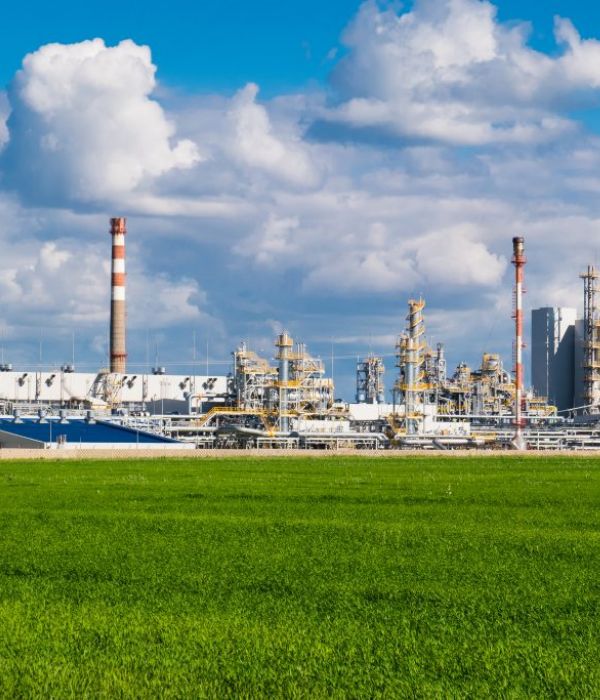
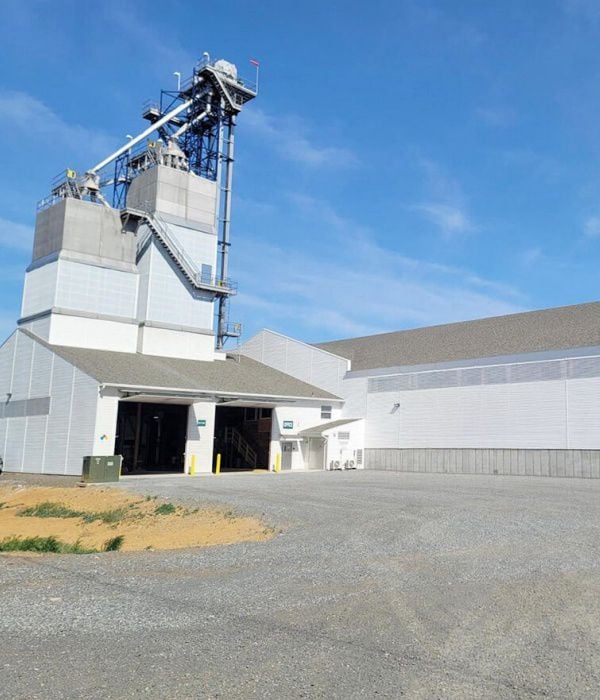
impianto di produzione di biofertilizzanti
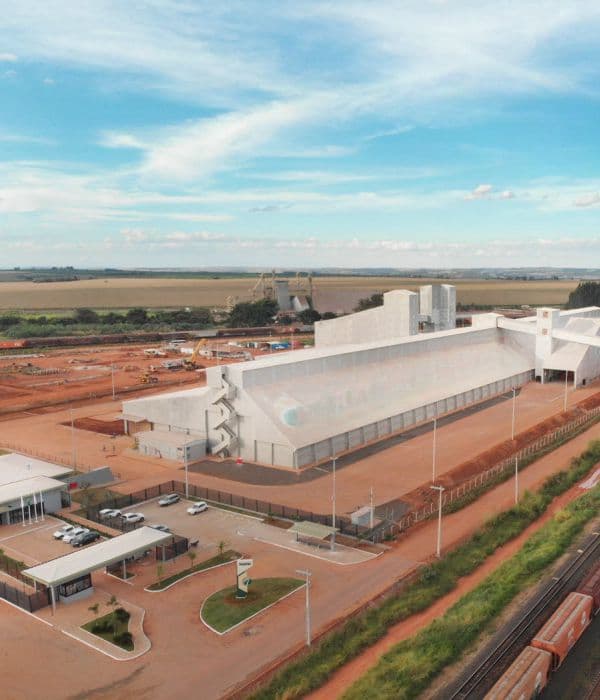
impianto di miscelazione di fertilizzanti
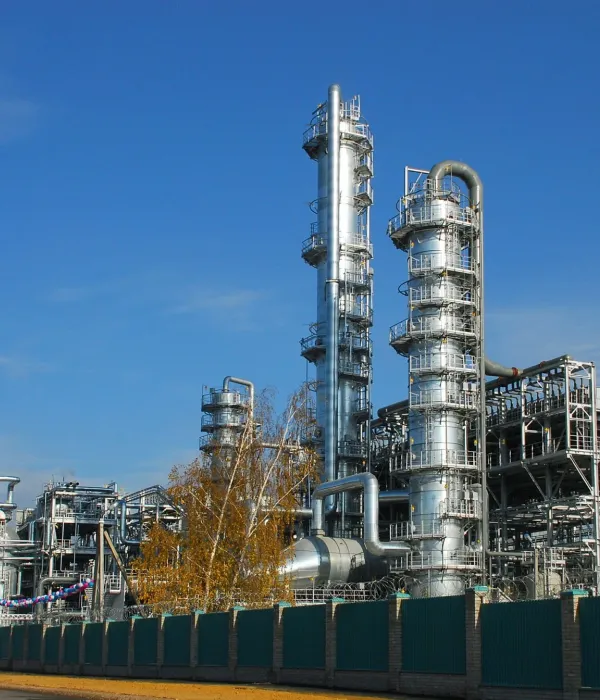
linea di produzione di fertilizzanti NPK
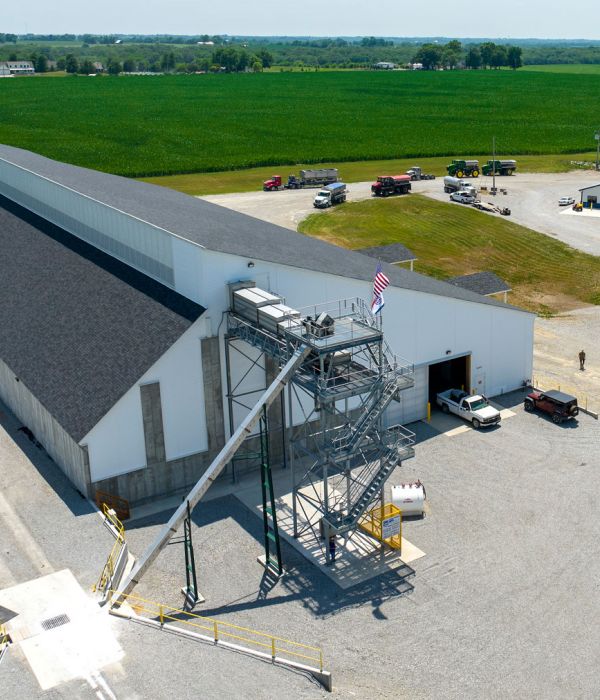
impianto di produzione di compost
Richi Machinery
prezzo della macchina per la produzione di fertilizzanti
Di seguito, RICHI MACHINERY elencherà le fasce di prezzo delle principali macchine per la produzione di fertilizzanti utilizzate nei diversi settori. Poiché i processi e le attrezzature per la lavorazione dei diversi prodotti fertilizzanti variano notevolmente, se desiderate conoscere il costo di investimento di un impianto completo per la produzione di fertilizzanti con diverse capacità produttive, potete specificare il processo di produzione. Configureremo per voi un set completo di attrezzature e vi invieremo un elenco completo delle attrezzature per la produzione di fertilizzanti insieme al relativo preventivo!
| nome dell'apparecchiatura | Costo della macchina per la produzione di fertilizzanti (USD) |
| macchina per la macinazione dei fertilizzanti | 5,300-55,000 |
| macchina per la miscelazione di fertilizzanti | 2,000-56,500 |
| macchina per l'essiccazione dei fertilizzanti | 10,000-180,000 |
| macchina per la produzione di pellet di fertilizzante | 12,000-150,000 |
| macchina per il raffreddamento dei fertilizzanti | 4,000-20,000 |
| Impianti per la fermentazione dei fertilizzanti | 2,000-50,000 |
| rivoltatore per compost di letame | 6,000-250,000 |
| apparecchiature per la vagliatura dei fertilizzanti | 2,000-30,000 |
| macchina per il confezionamento di fertilizzanti | 5,000-20,000 |
| trasportatore di fertilizzante | 1,000-60,000 |
| macchina per la distribuzione di fertilizzanti | 500-6,000 |
| macchina per la disidratazione del letame | 2,000-10,000 |
| macchina per il rivestimento dei fertilizzanti | 4,000-20,000 |
| attrezzature per lo scarico di fertilizzanti | 3,000-40,000 |
| … | … |
500
+
modelli di dispositivi
2000+
progetti chiavi in mano
140
+
paesi e regioni
10000
+
2000
attrezzature esportate
RICHI MACCHINARI
macchina per la produzione di fertilizzanti in vendita in tutto il mondo
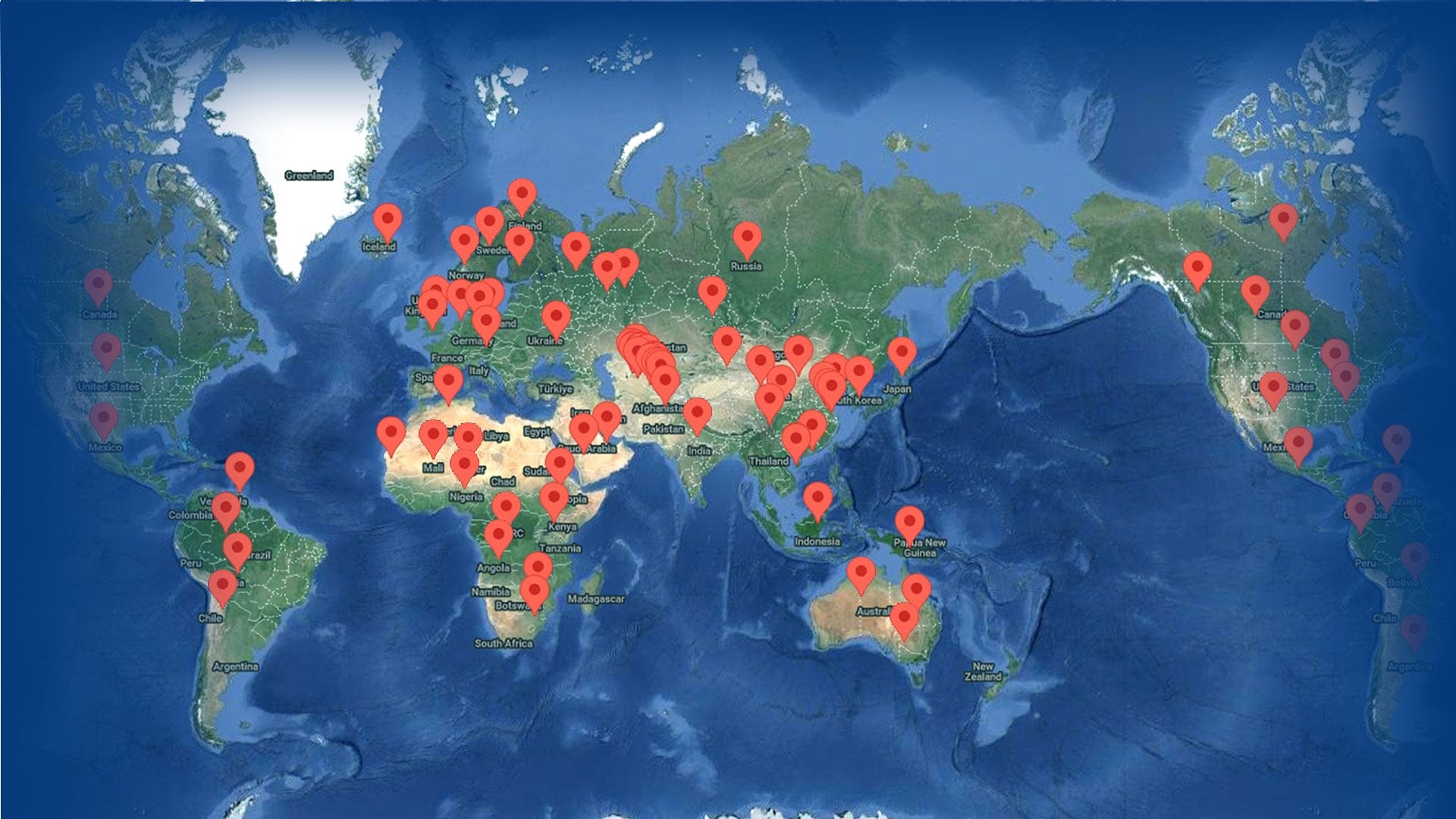
Le nostre macchine per la produzione di fertilizzanti sono state esportate in oltre 140 paesi in tutto il mondo, coprendo mercati di fascia alta come gli Stati Uniti, l’Australia e l’Europa. Ruiqi Machinery è sempre stata al passo con lo sviluppo sociale, migliorando continuamente le proprie capacità di progettazione, produzione e ingegneria, realizzando e promuovendo macchinari per la produzione di fertilizzanti e fornendo supporto agli impianti di lavorazione dei fertilizzanti e alle opere di ingegneria in tutto il mondo. Nei nostri progetti, l’esportazione di impianti per fertilizzanti organici e fertilizzanti bio-organici rappresenta oltre 90%, mentre altre categorie includono impianti per fertilizzanti composti, impianti per fertilizzanti NPK, ecc.
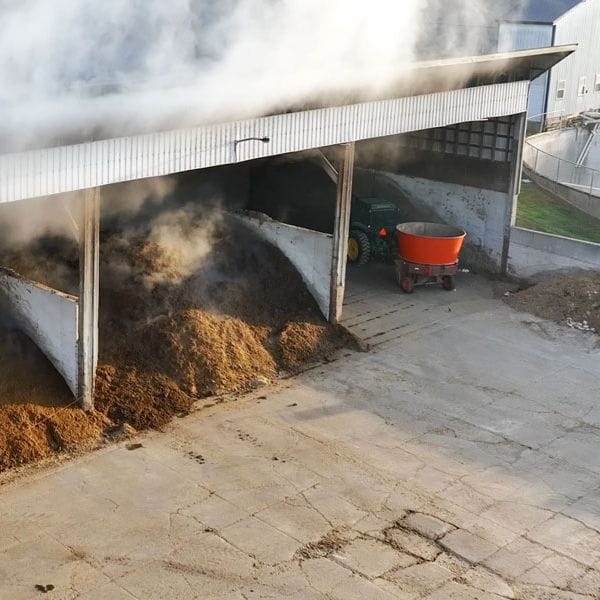
Macchina per la produzione di compost da letame bovino in Canada
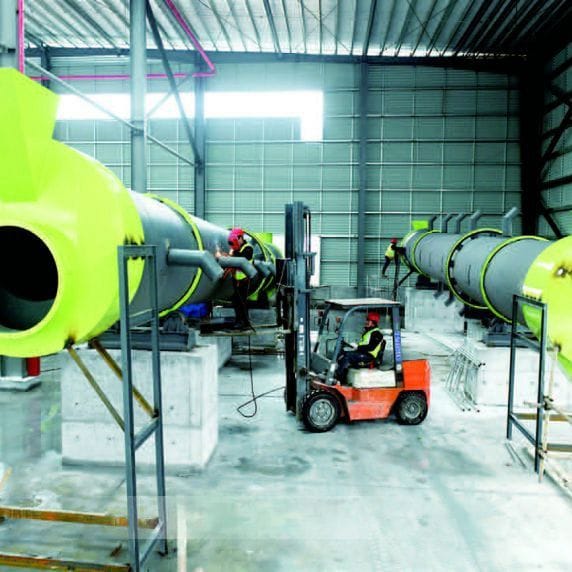
macchina per la produzione di concime compostato in Argentina
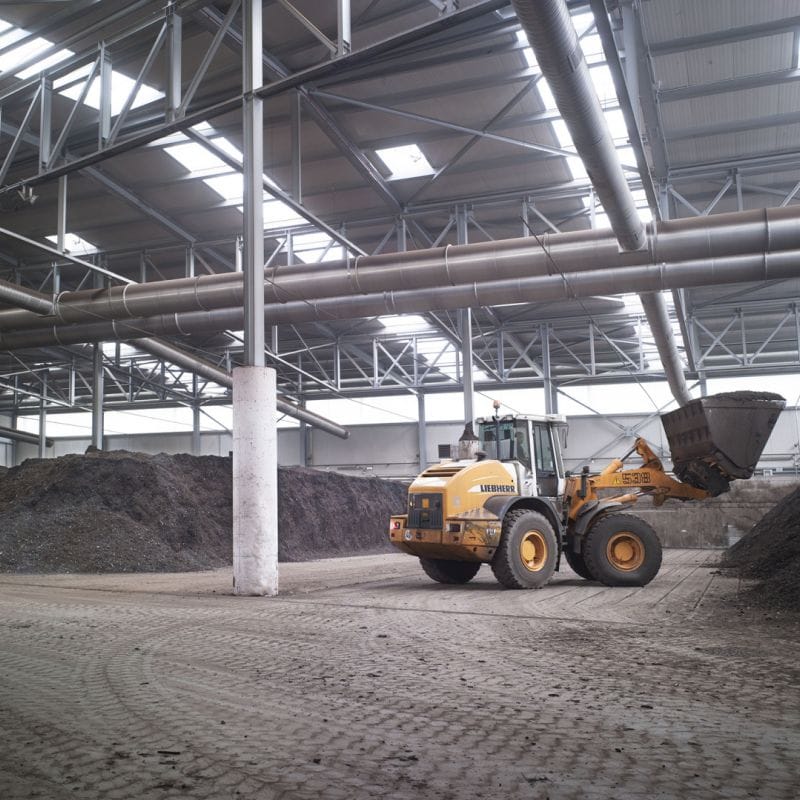
macchina per la produzione di letame animale in Brasile
America del Nord e del Sud
Europa e Oceania
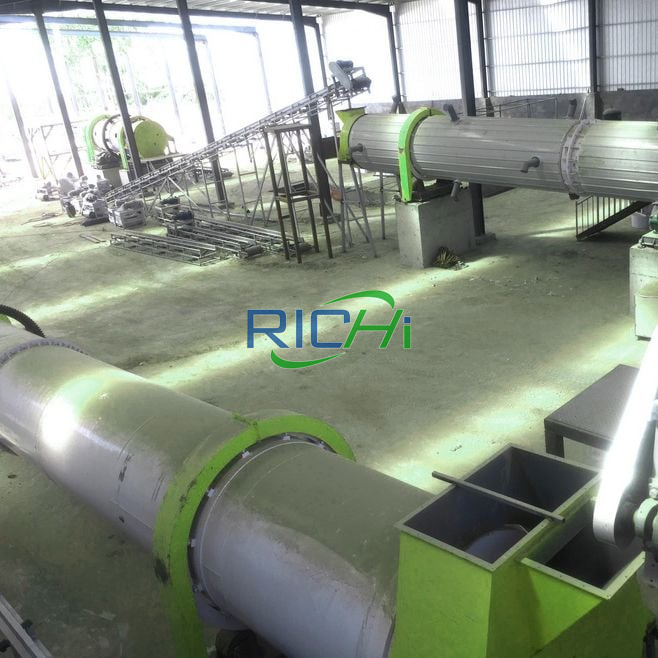
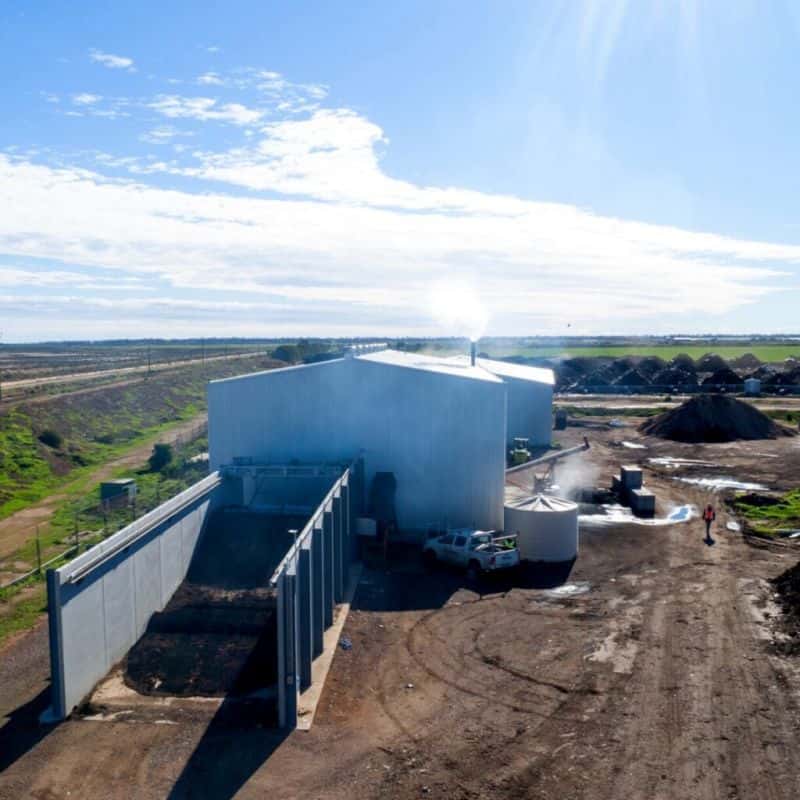
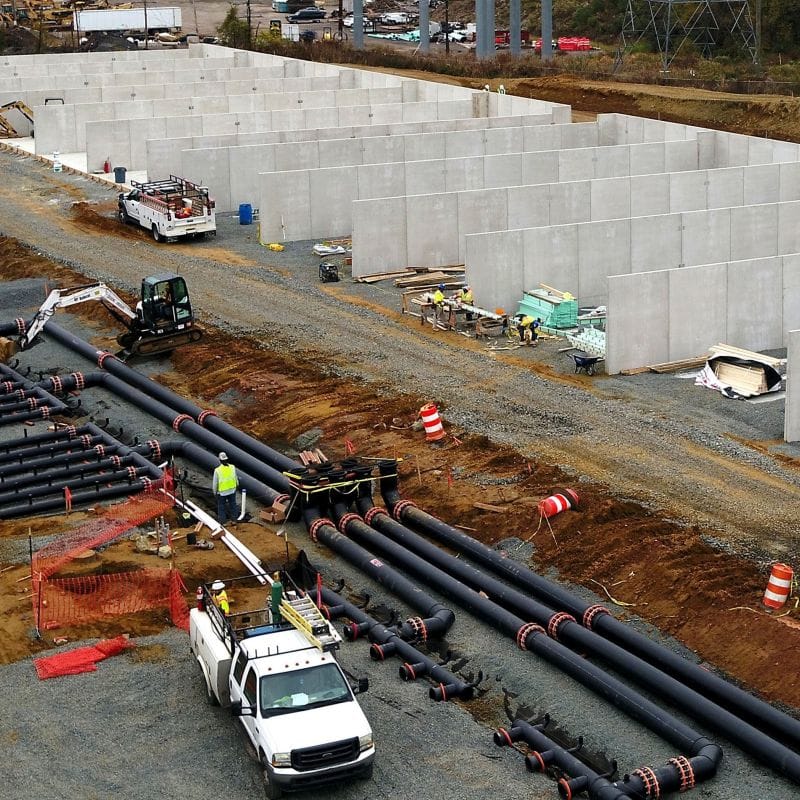
macchina per la produzione di fertilizzante a base di letame bovino in Polonia
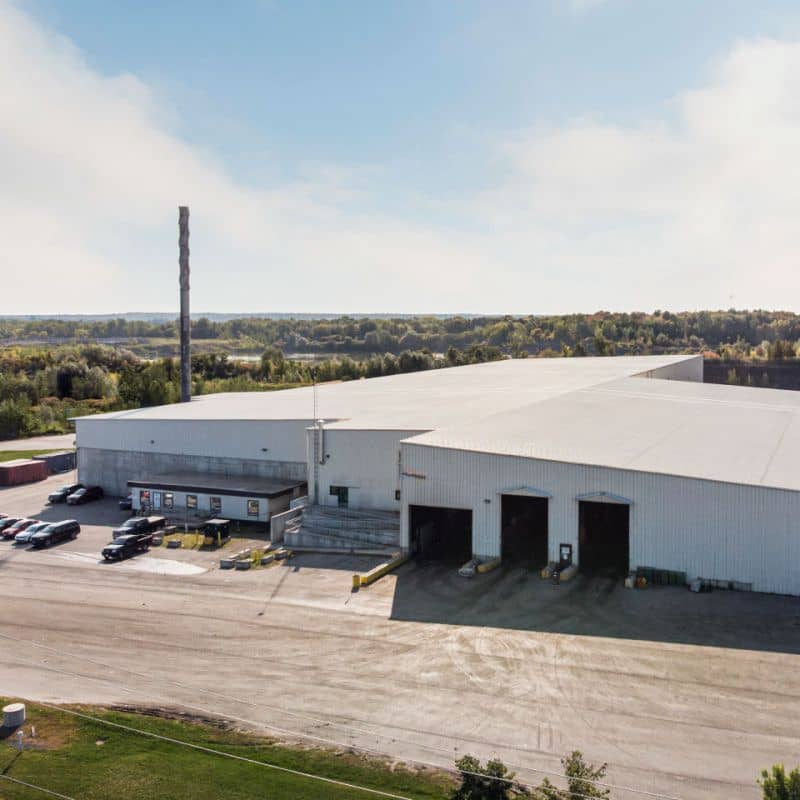
attrezzature per il trattamento del letame in Austria
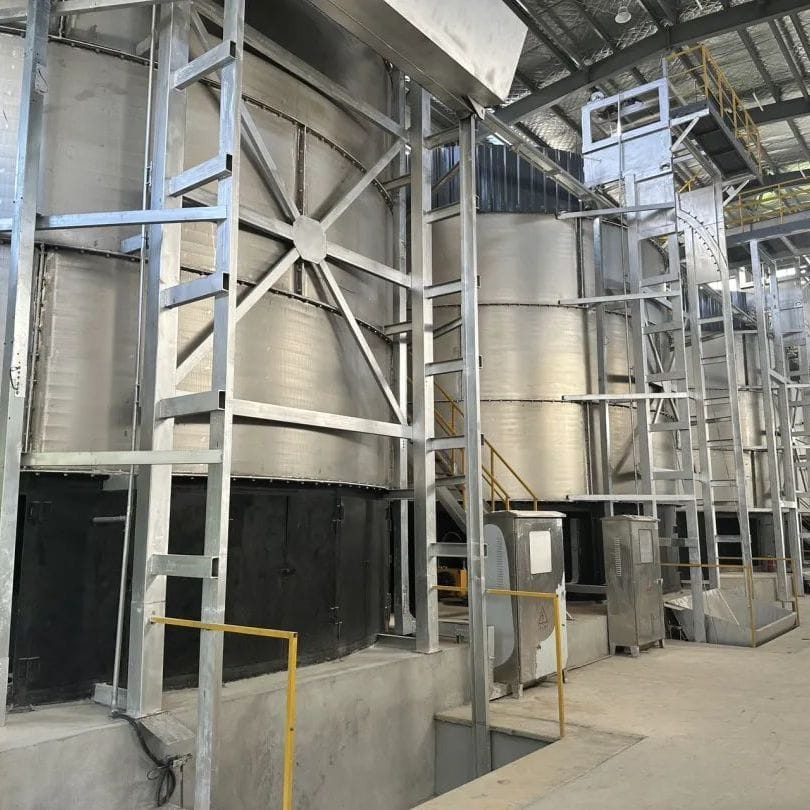
macchina per il trattamento del letame in Spagna
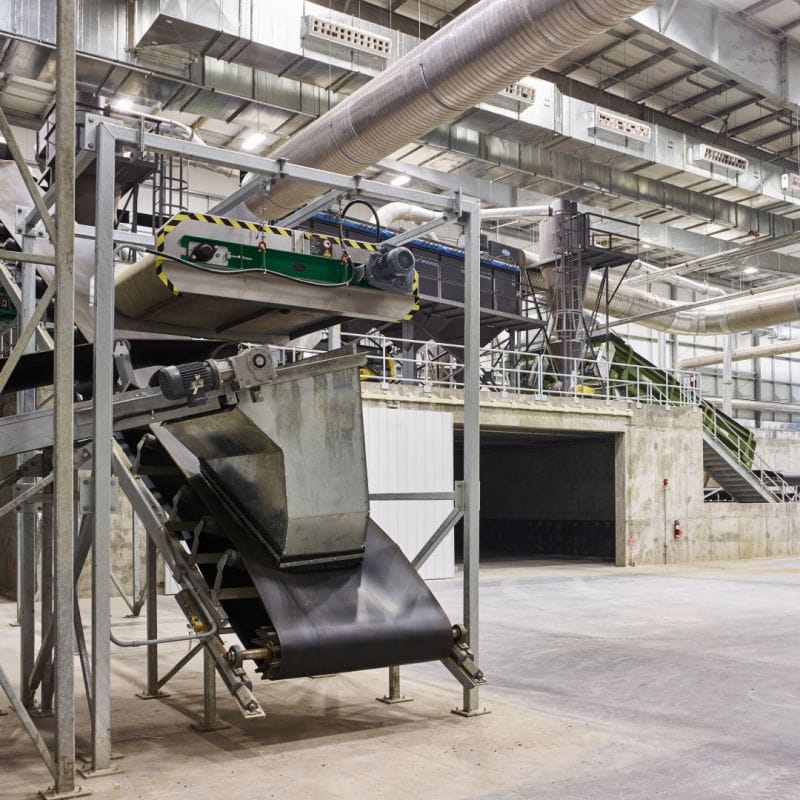
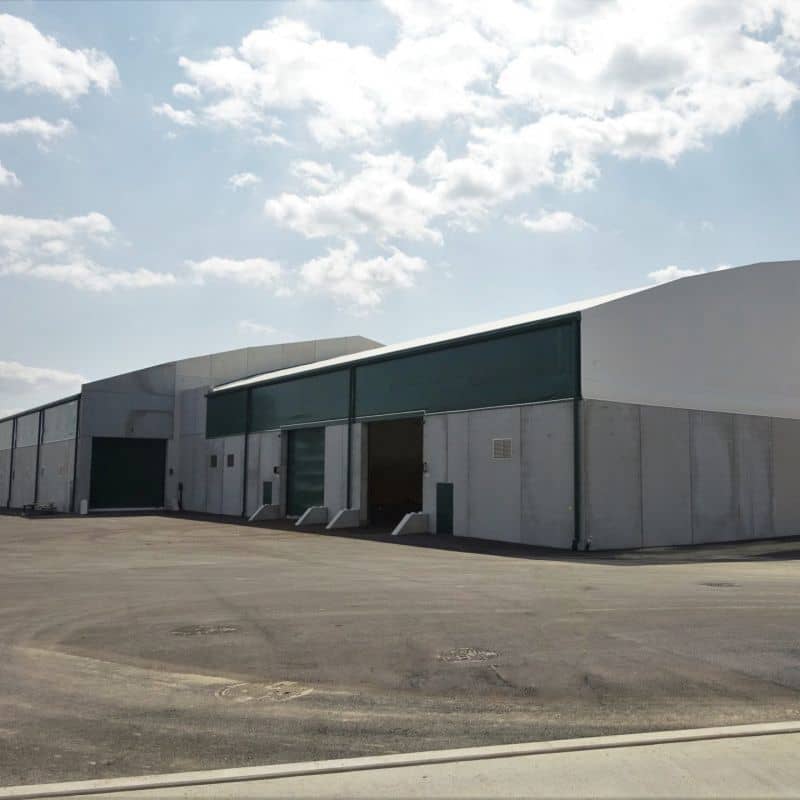
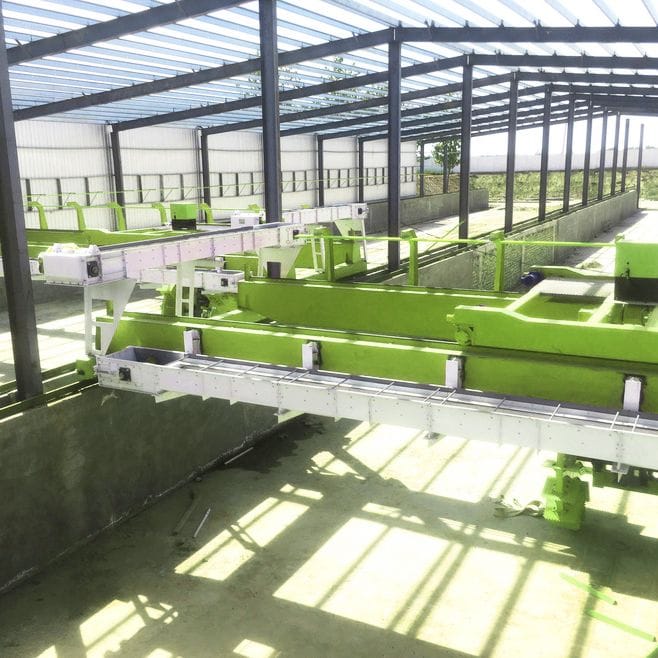
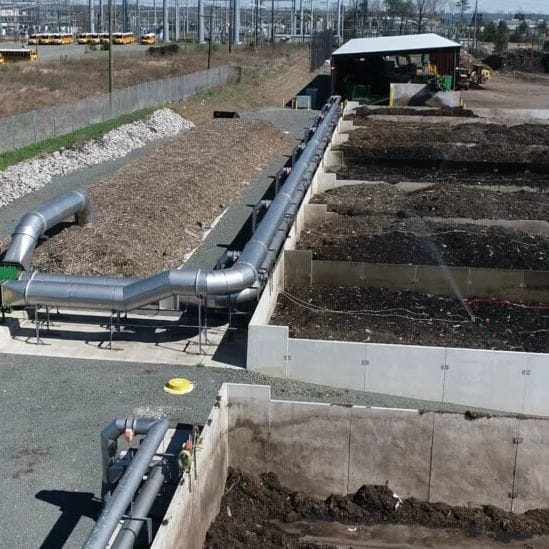
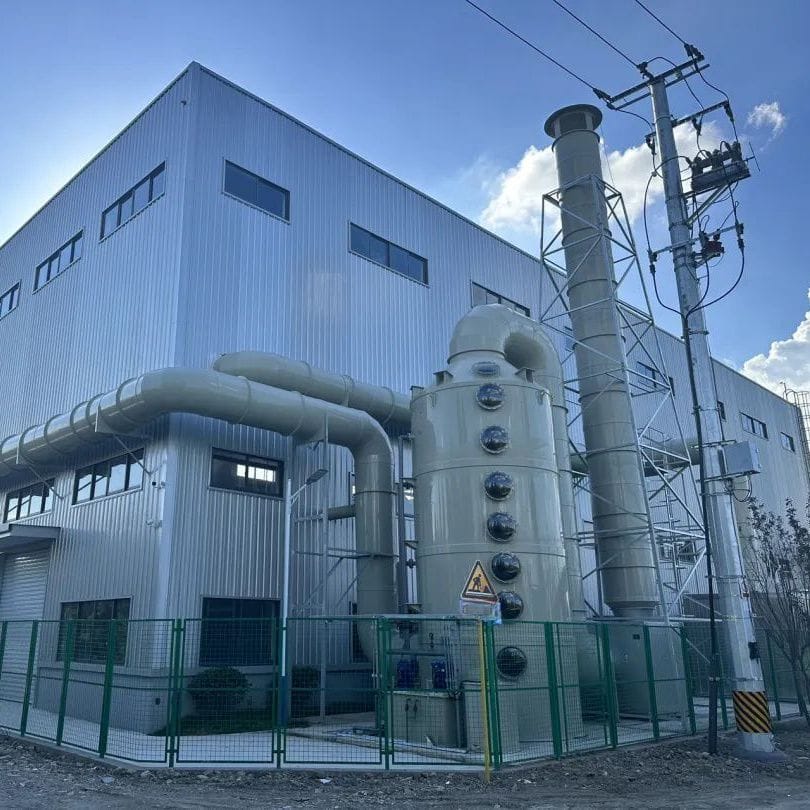
macchina per il trattamento del letame avicolo in Turchia
Paesi asiatici
Paesi della CSI
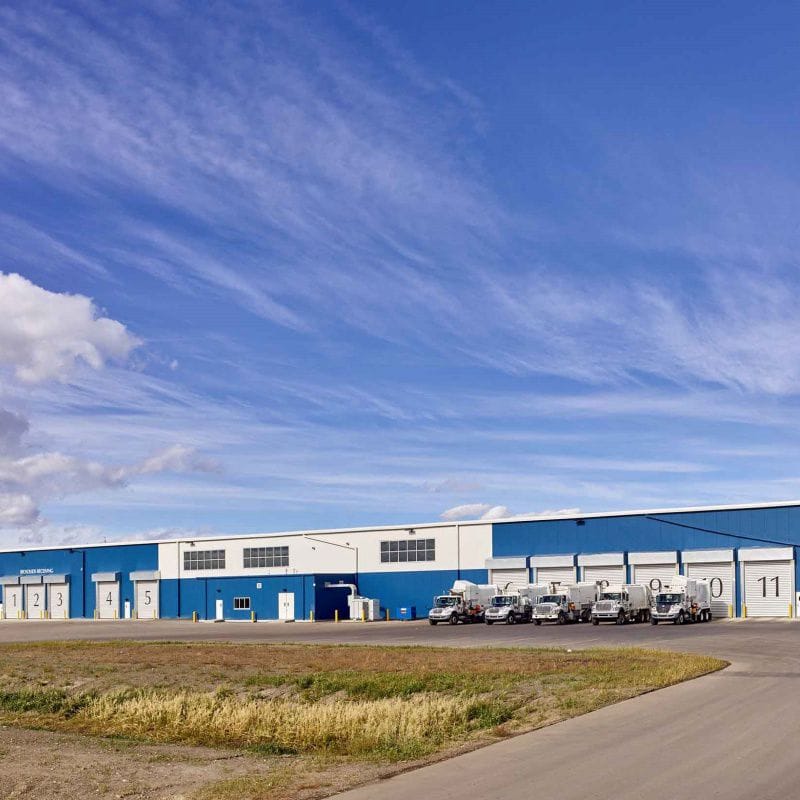
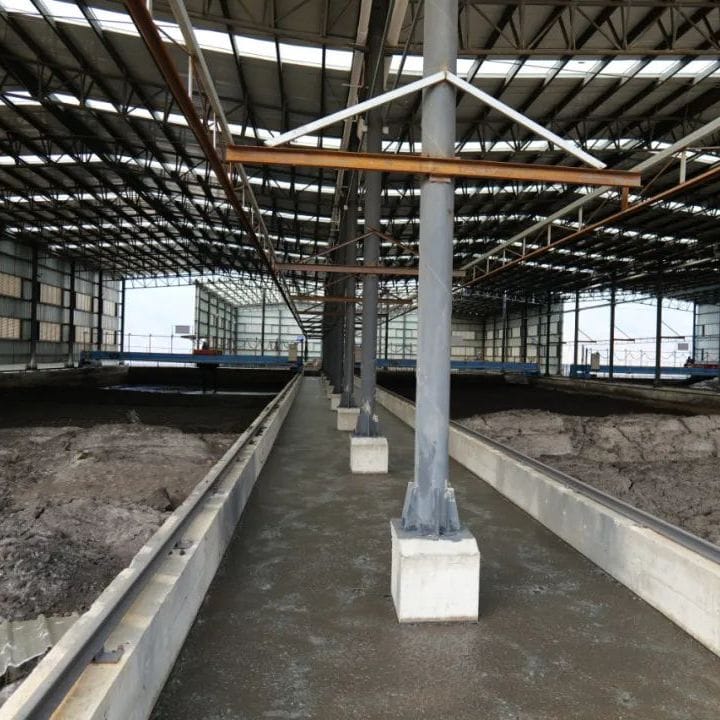
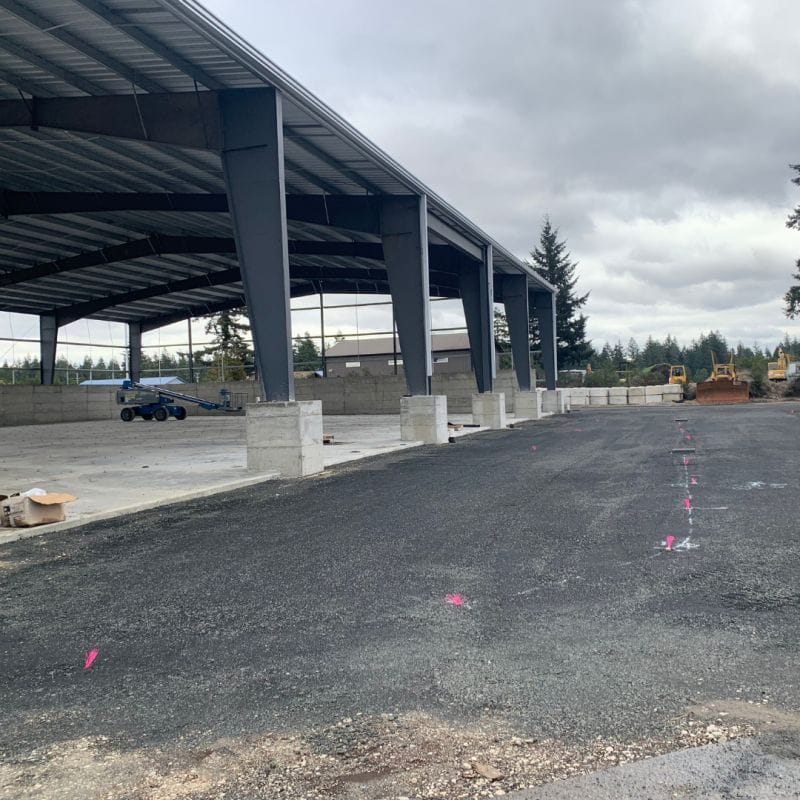
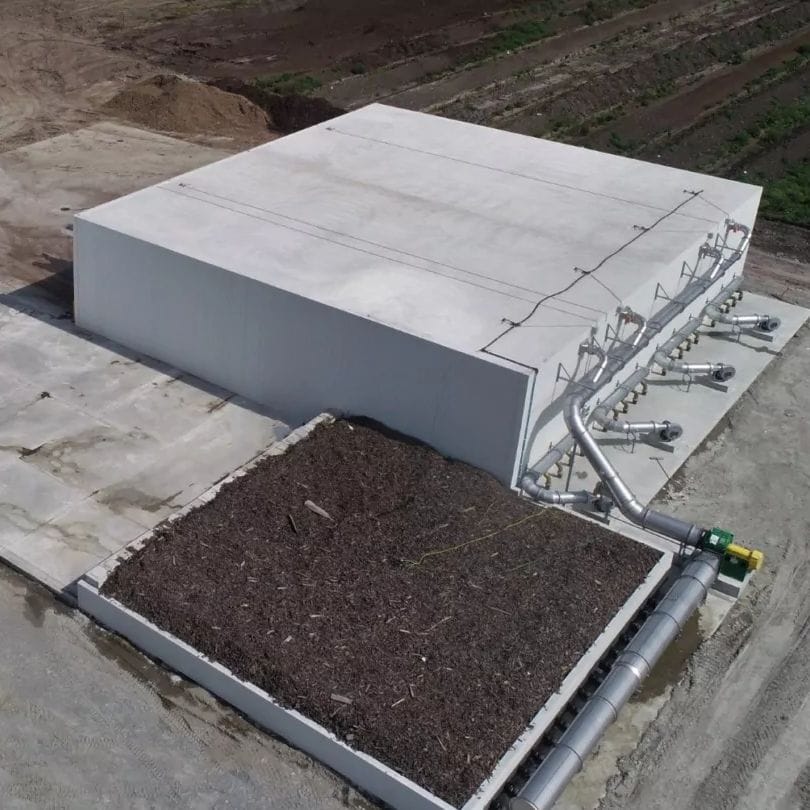
impianti per la produzione di fertilizzanti in Russia
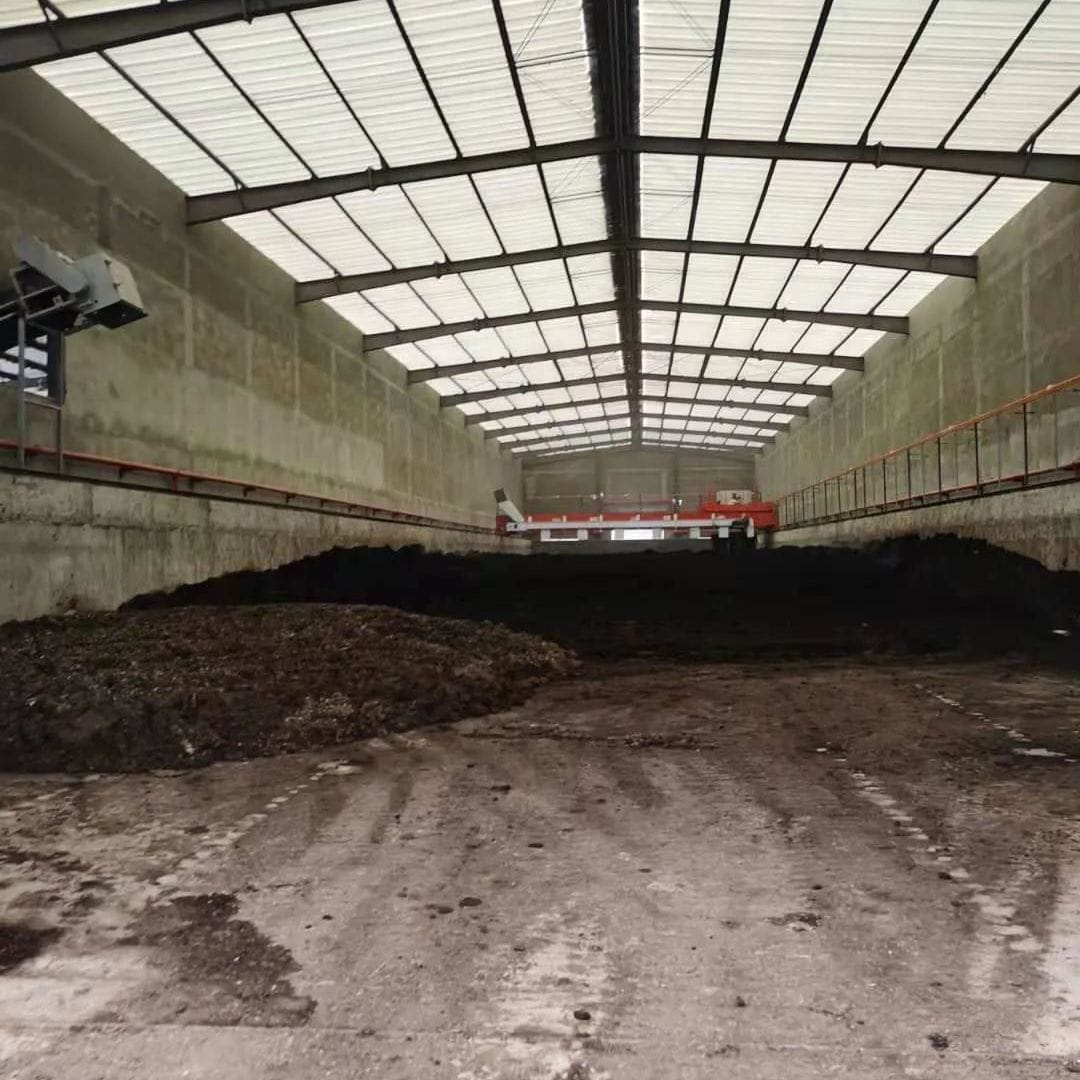
Attrezzature per la produzione di fertilizzanti in vendita in Kirghizistan
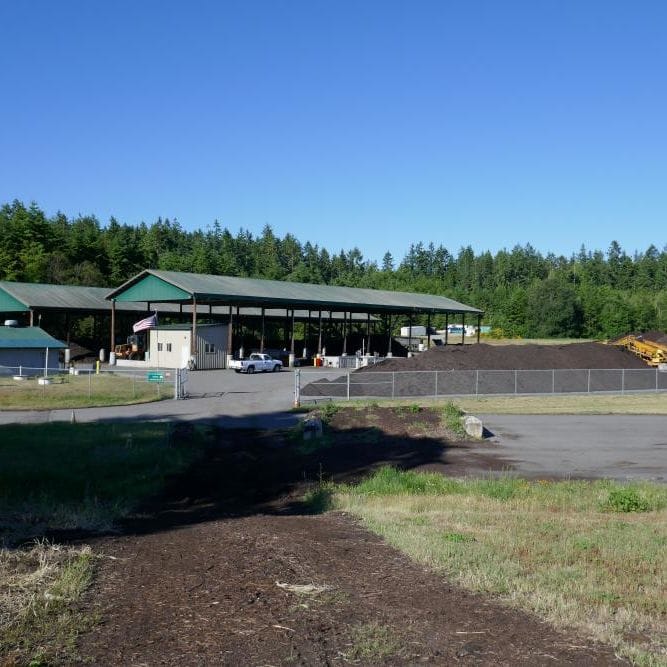
macchinari per impianti di produzione di fertilizzanti in Ghana
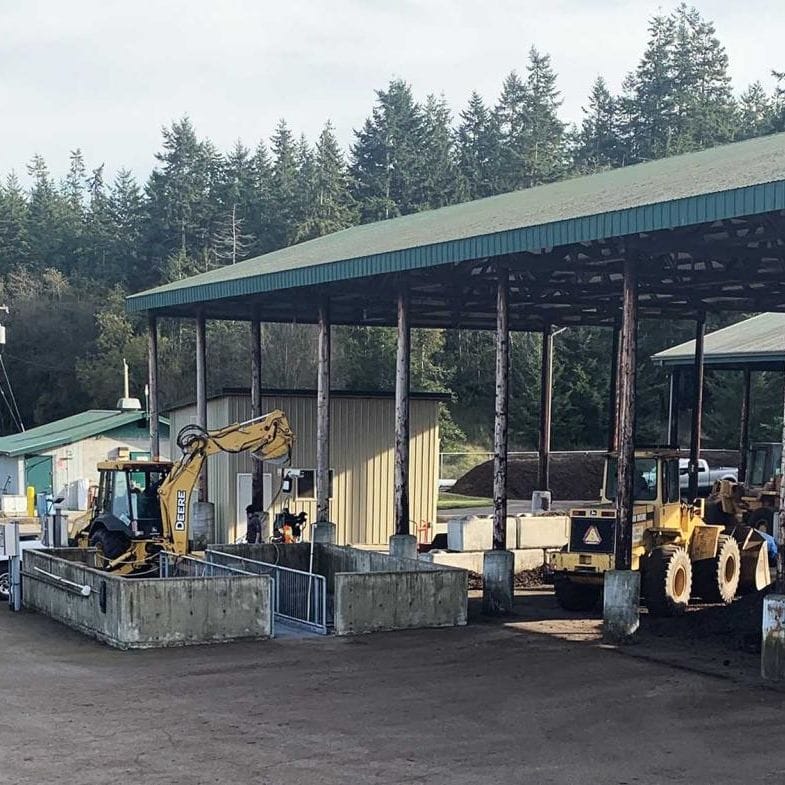
Attrezzature per fertilizzanti in vendita in Angola
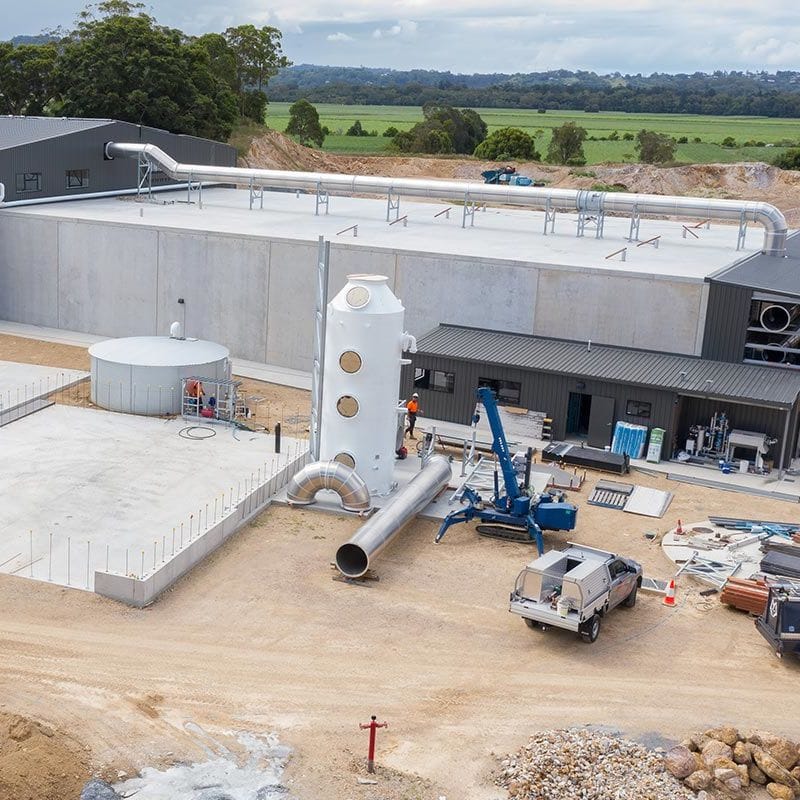
dispositivo per la concimazione in vendita in Tunisia
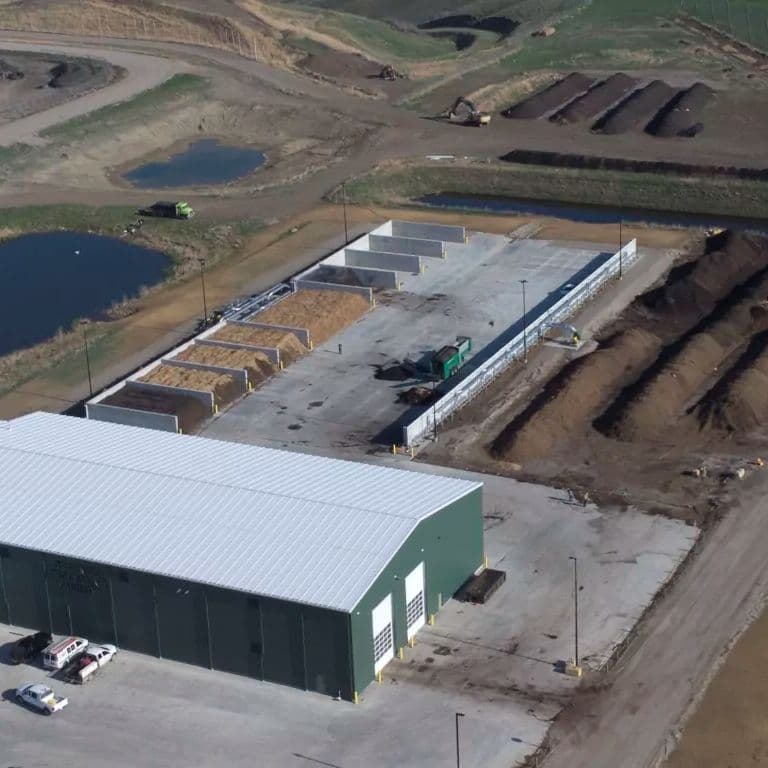
macchina per la produzione di fertilizzante compostato in Senegal
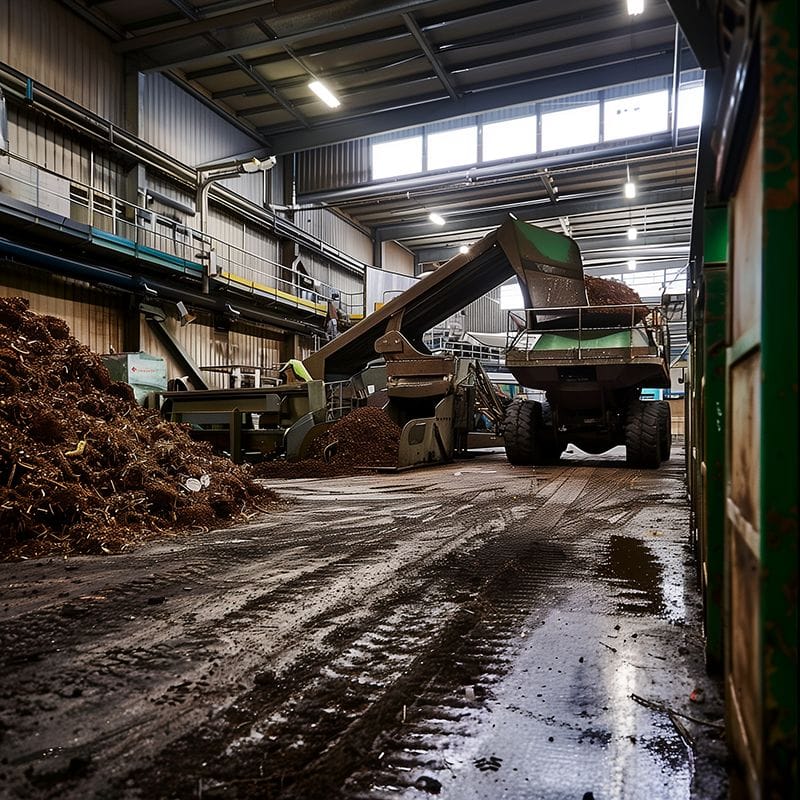
attrezzature per impianti di produzione di fertilizzanti in Congo
Paesi africani

Soluzione personalizzata per la produzione di fertilizzanti adatta a diverse materie prime
— Richi Machinery —
Le nostre soluzioni per gli impianti di produzione di fertilizzanti possono essere applicate in vari settori industriali, ciascuno dei quali dispone di materie prime specifiche. Ad esempio, nell’industria alimentare, possiamo utilizzare gli scarti di produzione degli stabilimenti alimentari per produrre fertilizzante organico; nell’industria cartaria, possiamo utilizzare i fanghi delle cartiere per produrre fertilizzante; nelle aziende agricole, possiamo utilizzare il letame di bestiame e pollame per produrre fertilizzanti; negli impianti di produzione di biogas, possiamo utilizzare i residui del biogas per produrre fertilizzanti; nelle piantagioni, possiamo utilizzare gli scarti vegetali per produrre fertilizzanti…… A seconda delle vostre esigenze, siamo in grado di soddisfare le vostre richieste; non esitate a contattarci per saperne di più.
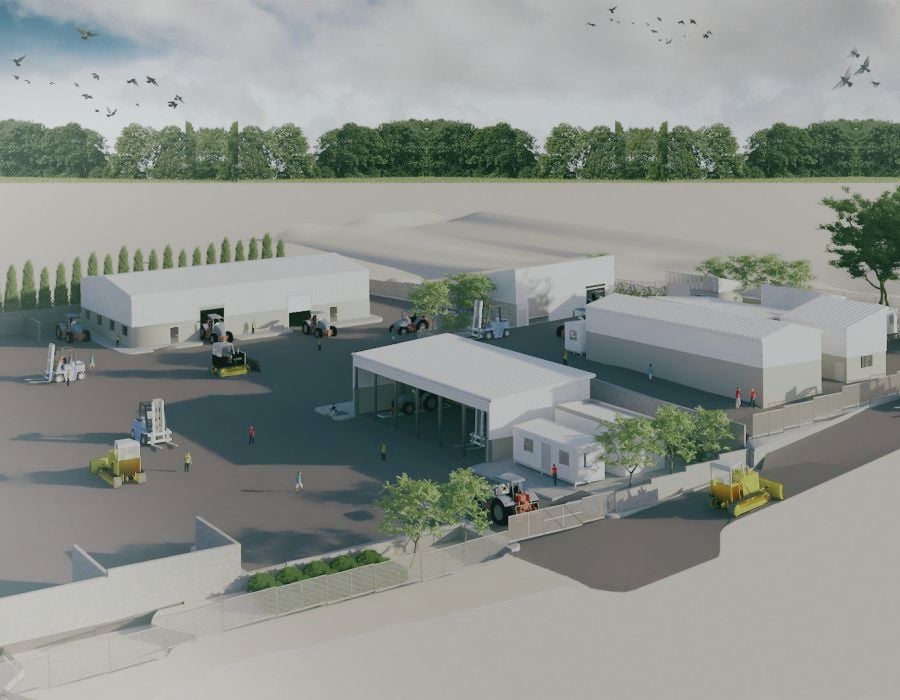
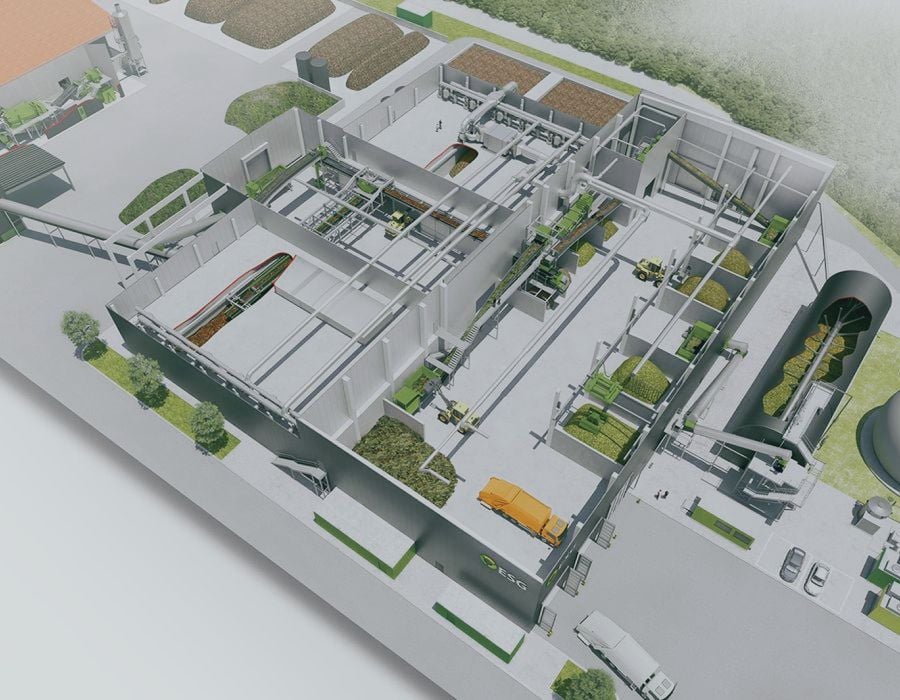
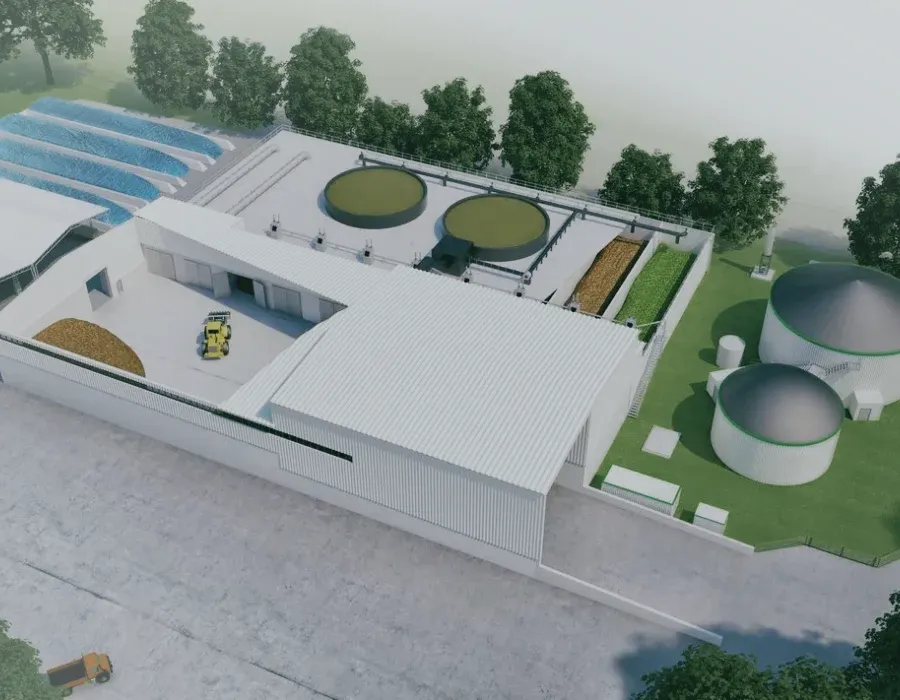
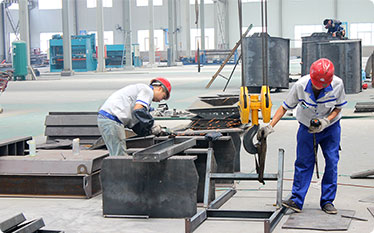
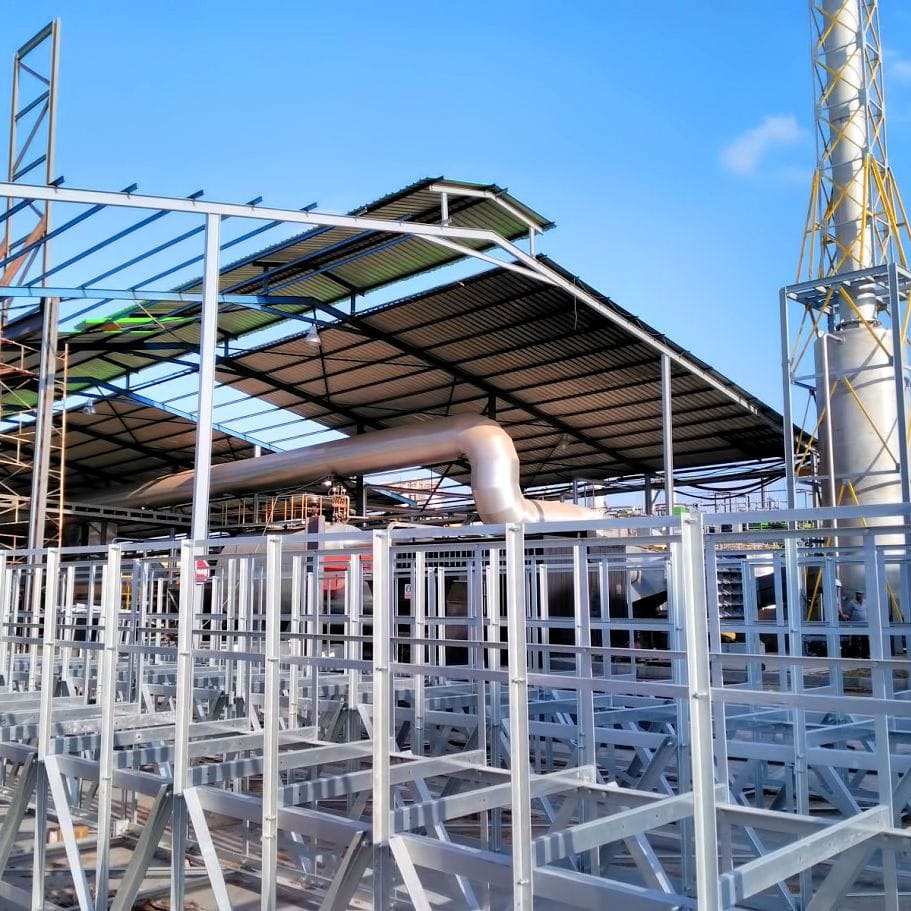
Grazie al servizio di progettazione chiavi in mano di impianti per la produzione di fertilizzanti, invece di affidare all’esterno la realizzazione di alcuni componenti, il vostro prodotto sarà interamente realizzato da esperti qualificati: RICHI MACHINERY. La progettazione, la fabbricazione, la produzione, l’assemblaggio e il collaudo dei prodotti sotto lo stesso tetto contribuiscono a ridurre al minimo gli errori e le perdite di tempo che ne derivano.
Scopri le soluzioni di configurazione delle macchine per la produzione di fertilizzanti di RICHI per diverse applicazioni
macchina per il trattamento del letame avicolo
macchina per la produzione di fertilizzante a base di letame bovino

macchina per il trattamento dello sterco di cavallo
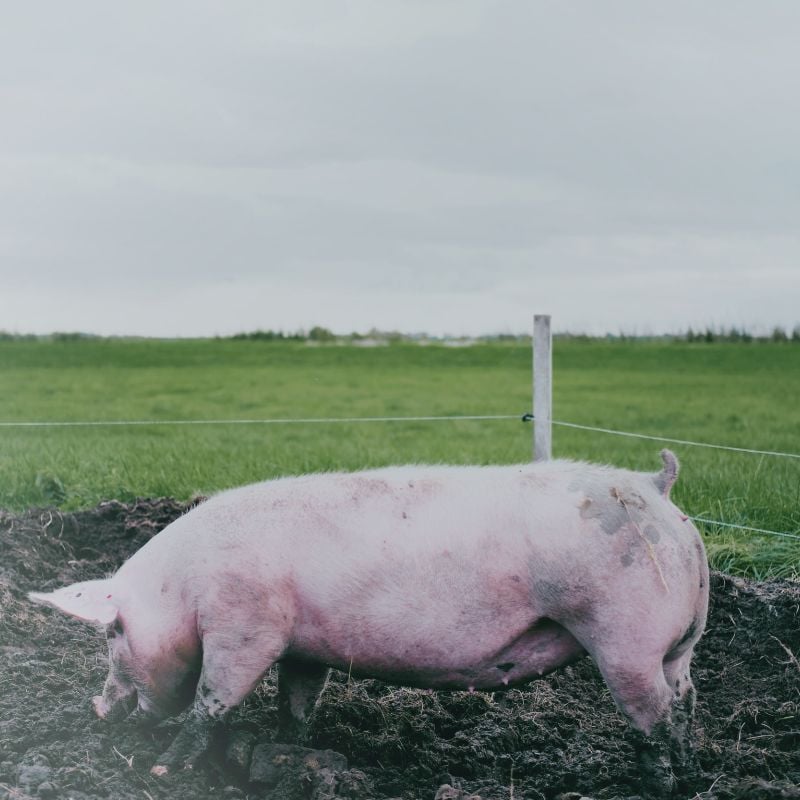
macchina per la produzione di letame suino
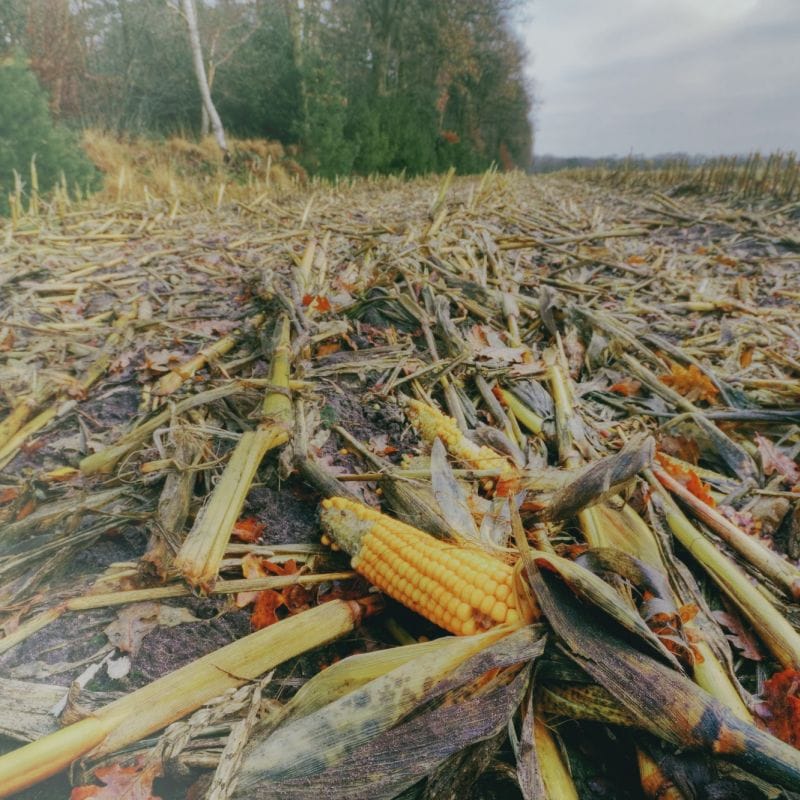
macchina per fertilizzanti agricoli
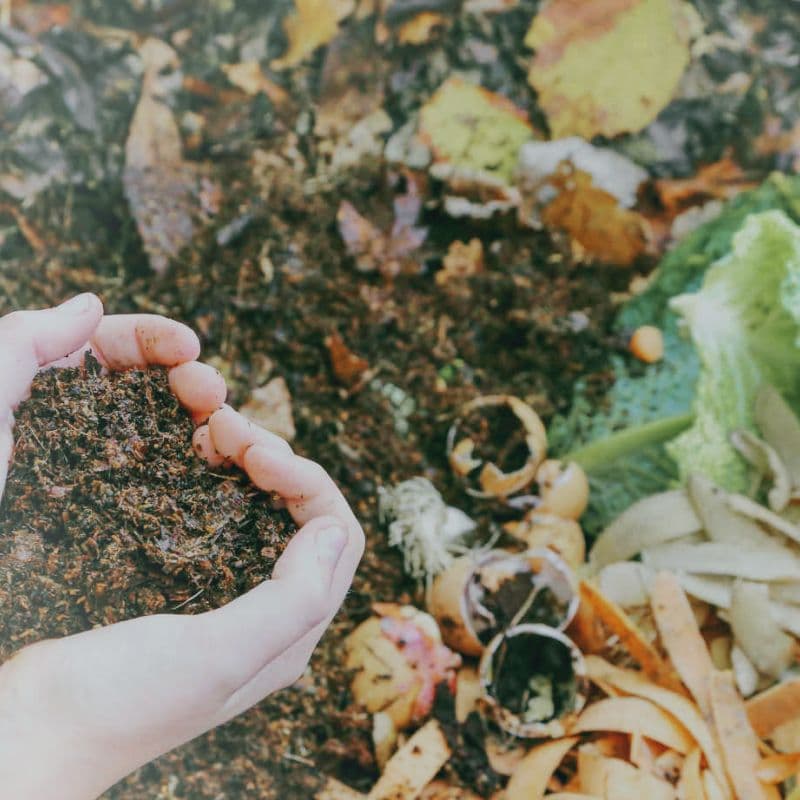
attrezzature per la produzione di fertilizzante da scarti alimentari
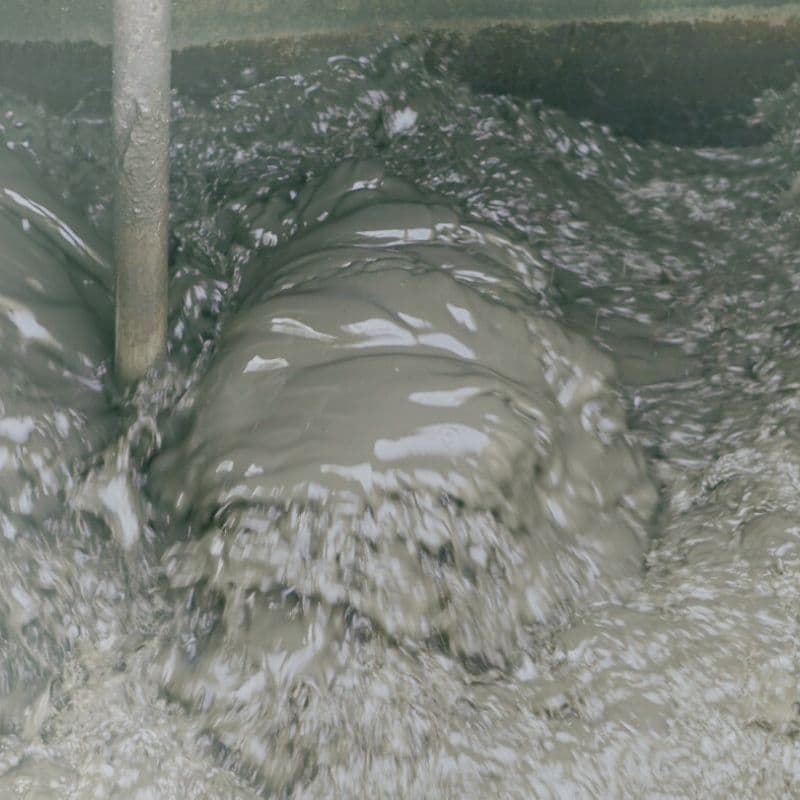
Macchina per la produzione di fertilizzante a base di fanghi
macchina per la produzione di fertilizzante da rifiuti organici
RICHI MACCHINARI
Nata per essere il tuo fornitore di macchine per la produzione di fertilizzanti
In qualità di fornitore esperto di servizi di ingegneria "chiavi in mano" per impianti industriali di produzione di fertilizzanti, RICHI MACHINERY si occupa di tutto ciò che è necessario per garantire il successo di un progetto. Grazie alle soluzioni "chiavi in mano", l'intero progetto viene gestito da un unico fornitore di fiducia, dall'inizio alla fine, senza bisogno di ricorrere a terzi. Il prodotto che riceverete sarà completamente pronto all'uso, senza necessità di ulteriori rifiniture.

Il potere dell'affidabilità
Una macchina affidabile per la produzione di fertilizzanti è fondamentale per la qualità del vostro prodotto, ed è necessario poter contare sul fatto che il vostro fornitore vi offra sistemi di lavorazione dei fertilizzanti che siano uniformi, affidabili e durevoli. Miglioriamo e perfezioniamo costantemente la nostra tecnologia e le nostre attrezzature, il che ci consente di realizzare impianti per la produzione di fertilizzanti affidabili. Ogni unità è realizzata con materiali di altissima qualità per garantire un'affidabilità e una precisione costanti anche negli ambienti di produzione più difficili.

Il potere delle soluzioni
Collaboriamo con ciascun produttore di fertilizzanti per comprendere a fondo i loro prodotti e garantire sistemi di fertilizzazione di alta qualità, precisi, coerenti e affidabili. Questa analisi approfondita ci consente di personalizzare una soluzione per la linea di produzione di fertilizzanti in grado di soddisfare le vostre esigenze specifiche e fornire risultati comprovati, aggiungendo al contempo valore a lungo termine al vostro processo di produzione.

Il potere della collaborazione
In qualità di fornitore partner, il nostro impegno nei confronti dei clienti va oltre le nostre soluzioni relative alle macchine e agli impianti per la produzione di fertilizzanti. Il nostro approccio collaborativo e proattivo ci consente di personalizzare ogni sistema per soddisfare le esigenze specifiche di tutti i settori della produzione di fertilizzanti organici e composti. Mettiamo la nostra vasta esperienza e competenza al servizio di ogni progetto con l’obiettivo di migliorare le prestazioni, la produttività e la redditività attraverso i nostri sistemi personalizzati per la produzione di fertilizzanti.

Il potere del sostegno
Il vero successo a lungo termine di un impianto di fertilizzanti non dipende solo dal sistema iniziale, ma anche dal supporto fornito dal fornitore. Il nostro team di assistenza è disponibile 24 ore su 24, 7 giorni su 7, per fornire supporto tecnico da remoto ogni volta che ne avete bisogno. Che si tratti di accessori o di eventuali problemi di funzionamento, acquistando le attrezzature per fertilizzanti RICHI avrete diritto a un servizio di assistenza tecnica a ciclo completo.
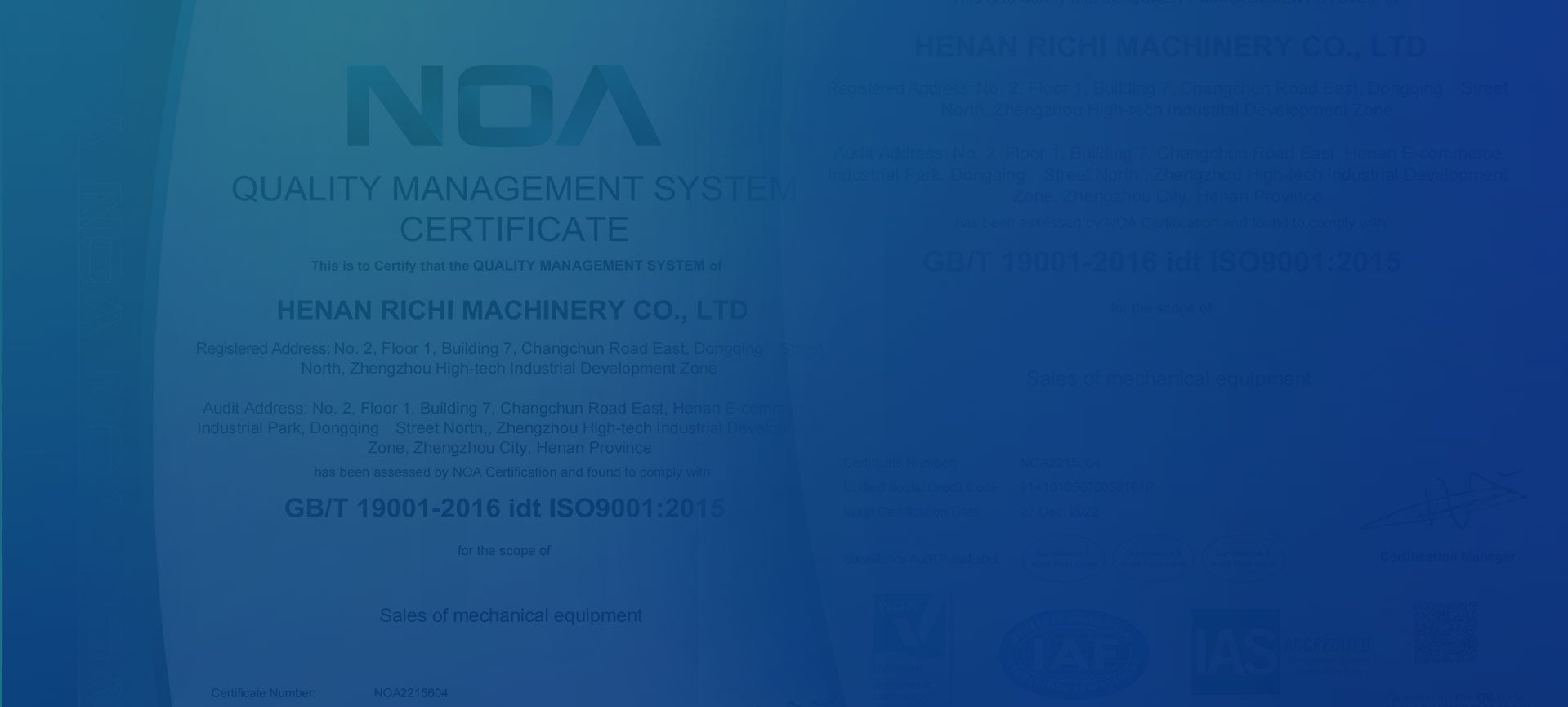
Certificazioni internazionali e brevetti tecnologici
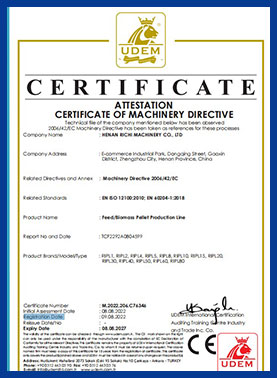
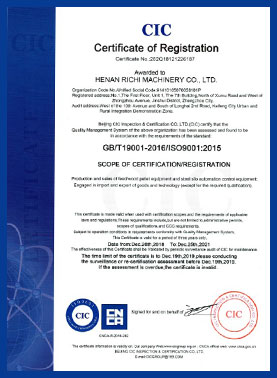
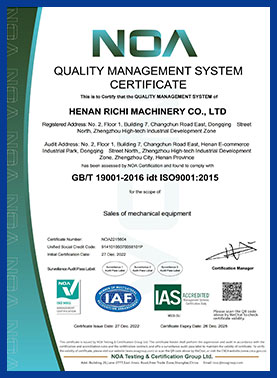
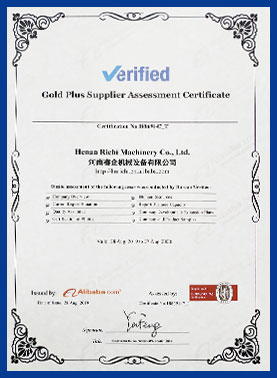
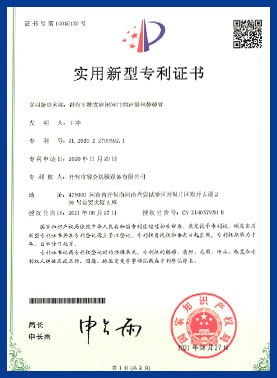
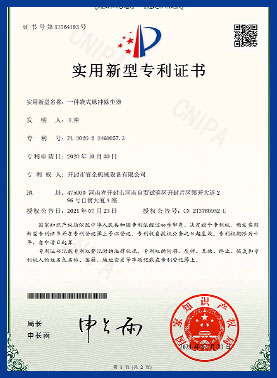
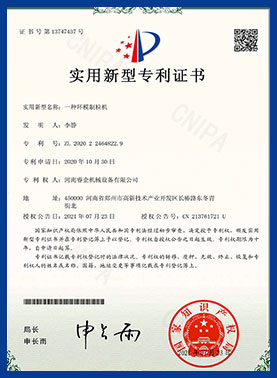
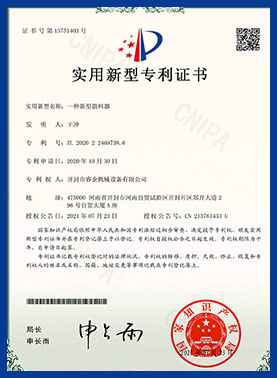
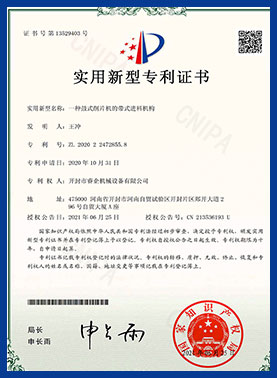
Il motivo per cui le nostre macchine per la produzione di fertilizzanti possono essere esportate in tutti i continenti del mondo è che disponiamo di certificazioni di qualità e autorizzazioni di accesso al mercato riconosciute a livello internazionale, quali ISO, CV, BV, SGS, ecc. E il motivo per cui riusciamo a ottenere queste certificazioni si basa sul solido bagaglio tecnico di RICHI. Attualmente, grazie alle competenze di ricerca e sviluppo del team di ingegneri, i prodotti della nostra serie di impianti per la lavorazione dei fertilizzanti hanno ottenuto oltre 40 brevetti tecnici nazionali. Ci impegniamo a garantire qualità e conformità, soddisfacendo i più elevati standard del settore. Le nostre certificazioni e registrazioni riflettono la nostra dedizione alla sicurezza, all’eccellenza e alla fiducia in ogni prodotto che offriamo.
CE
ISO
BV
CIC
Brevetto

Brevetto
Brevetto
Brevetto
Brevetto
Brevetto
Domande frequenti

Come configurare un impianto completo per la produzione di fertilizzanti organici?
La configurazione di una macchina per la produzione di fertilizzante organico richiede di tenere conto dei seguenti aspetti:
- Sistema di fermentazione: tra cui trasportatore di alimentazione, deodorante biologico, miscelatore, macchina di sollevamento e ribaltamento e sistema di controllo elettrico automatico, ecc., utilizzati per il processo di fermentazione del concime organico.
- Sistema di essiccazione: composto principalmente da un nastro trasportatore, un essiccatore a tamburo, un raffreddatore, un ventilatore a tiraggio indotto, un forno ad aria calda e altre apparecchiature, utilizzato per rimuovere l'umidità in eccesso dal materiale.
- Sistema di deodorizzazione e depolverazione: tra cui la camera di sedimentazione, la camera di depolverazione, ecc., riducendo efficacemente le emissioni di odori e polveri durante il processo produttivo.
- Sistema di frantumazione: tra cui un nuovo frantoio per materiale semi-umido, un frantoio a catena o a gabbia, un nastro trasportatore, ecc., utilizzati per frantumare il materiale fermentato fino a ottenere una granulometria adeguata.
- Sistema di dosaggio: tra cui un sistema di dosaggio elettronico, un alimentatore a disco, un vaglio vibrante, ecc., per regolare la proporzione delle varie materie prime in base alle esigenze.
- Sistema di miscelazione: tra cui miscelatori orizzontali o a dischi, vagli vibranti, nastri trasportatori mobili, ecc., per garantire una miscelazione uniforme dei materiali.
- Sistema di granulazione: Per trasformare i materiali miscelati in granuli è possibile scegliere tra un granulatore ad anello per fertilizzanti organici, un granulatore a vaschetta, un granulatore a disco, un granulatore rotativo, un granulatore a doppio rullo, ecc.
- Sistema di raffreddamento e asciugatura: utilizzare un essiccatore rotativo, un raffreddatore a tamburo e altre apparecchiature per raffreddare ed essiccare i granuli dopo la granulazione.
- Sistema di screening: viene effettuato principalmente tramite un vaglio a tamburo, che seleziona le particelle in base alle dimensioni per garantire la qualità dei prodotti finiti.
- Sistema di confezionamento del prodotto finito: tra cui bilancia elettronica quantitativa per il confezionamento, silo, macchina da cucire automatica, ecc., per realizzare il confezionamento completamente automatico della linea di produzione di fertilizzanti organici.
Suggerimenti specifici per la scelta e la configurazione delle attrezzature:
- Attrezzature per la fermentazione: I rivoltatori a vasca e quelli a ruote sono adatti a diversi ambienti di fermentazione. I rivoltatori a vasca sono indicati per gli ambienti di fermentazione convenzionali, mentre quelli a ruote sono adatti ad ambienti di fermentazione con ampie campate e profondità elevate. I rivoltatori azionati da carrelli elevatori sono adatti a operazioni multifunzionali e si contraddistinguono per l’elevata mobilità e versatilità.
- Attrezzature di frantumazione: I nuovi frantoi per materiali semi-umidi, i frantoi a catena e i frantoi a gabbia sono adatti alle esigenze di frantumazione di diversi materiali.
- Attrezzature di miscelazione: I miscelatori orizzontali e i miscelatori a vasca sono adatti alla produzione su larga scala per garantire una miscelazione uniforme dei materiali.
- Attrezzature per la granulazione: Esistono diversi tipi di macchine per la produzione di granuli di fertilizzante, adatte a diverse esigenze di granulazione.
- Attrezzature per l'imballaggio: Le bilance elettroniche quantitative per il confezionamento e le cucitrici automatiche per sacchetti garantiscono un confezionamento efficiente dei prodotti finiti.
Cosa comprende l'attrezzatura per la produzione di fertilizzante organico a base di fanghi?
Gli impianti della linea di produzione di fertilizzanti organici da fanghi costituiscono un insieme completo di attrezzature di processo che trasformano i rifiuti organici, come i fanghi, in fertilizzanti organici. Svolgono un ruolo importante nella tutela dell'ambiente e nel riutilizzo delle risorse.
Di seguito viene fornita una breve panoramica delle attrezzature della linea di produzione di fertilizzanti organici a base di fanghi.
Le macchine per la produzione di fertilizzanti a base di fanghi comprendono principalmente diverse parti fondamentali, quali gli impianti di pretrattamento delle materie prime, gli impianti di fermentazione, gli impianti di lavorazione avanzata e le attrezzature ausiliarie.
- Gli impianti di pretrattamento delle materie prime hanno il compito di classificare, frantumare, vagliare e sottoporre ad altri trattamenti le materie prime organiche, quali i fanghi, al fine di rimuovere le impurità e i corpi estranei di grandi dimensioni e fornire materie prime idonee per le fasi successive del processo.
Le attrezzature comunemente utilizzate in questa fase includono alimentatori, frantoi e miscelatori, che garantiscono che l’uniformità e la granulometria delle materie prime soddisfino i requisiti di fermentazione. - Gli impianti di fermentazione costituiscono il cuore della linea di produzione di fertilizzanti organici a base di fanghi. Essi sfruttano il processo di fermentazione dei microrganismi per trasformare le materie prime organiche in fertilizzanti organici stabili.
Tra le attrezzature di fermentazione più comunemente utilizzate figurano i compostatori, i fermentatori a tamburo rotante e i serbatoi di fermentazione.
Queste apparecchiature favoriscono la crescita e la riproduzione dei microrganismi controllando parametri quali la temperatura, l'umidità e il contenuto di ossigeno, accelerando così la decomposizione e la trasformazione della materia organica. - Durante il processo di fermentazione, si ricorre spesso a un rivoltatore per compost o a un dispositivo di agitazione per rivoltare il compost o mescolare i materiali, al fine di garantire l'uniformità e l'efficienza della fermentazione.
- Gli impianti di lavorazione secondaria vengono utilizzati principalmente per trasformare ulteriormente la materia organica fermentata in fertilizzanti organici granulari o in polvere. Le attrezzature impiegate in questa fase comprendono granulatori, frantoi e confezionatrici.
Il granulatore è in grado di comprimere il materiale in particelle di dimensioni uniformi, mentre il frantoio viene utilizzato per frantumare nuovamente le particelle che non soddisfano i requisiti relativi alla granulometria.
La macchina confezionatrice ha il compito di confezionare il fertilizzante organico finito per lo stoccaggio, il trasporto e la vendita. - Anche le attrezzature ausiliarie svolgono un ruolo importante nella linea di produzione di fertilizzanti organici a base di fanghi. Tra queste figurano depolveratori, disidratatori, nastri trasportatori, ecc., utilizzati per garantire l’igiene dell’ambiente di produzione, migliorare l’efficienza produttiva e assicurare un trasporto regolare dei materiali.
Ad esempio, il depolveratore è in grado di eliminare l'inquinamento da polveri nel processo di produzione, mentre il disidratatore può ridurre il contenuto d'acqua del materiale per migliorare l'efficienza delle fasi di lavorazione successive.
In sintesi, la macchina per la produzione di fertilizzante a base di fanghi è un sistema di produzione completo. Trasforma i rifiuti organici, come i fanghi, in fertilizzante organico di alta qualità attraverso processi scientifici e attrezzature specializzate, favorendo così il riutilizzo delle risorse derivanti dai rifiuti e la tutela dell'ambiente.
Quali macchinari per la produzione di fertilizzanti sono necessari per la lavorazione del letame di pollo in fertilizzante organico?
Le macchine per la produzione di fertilizzanti necessarie per la lavorazione del letame di pollo in fertilizzante organico comprendono principalmente i seguenti tipi:
- Apparecchiature di pretrattamento: Il letame di pollo deve essere sottoposto a un trattamento preliminare per rimuovere le impurità e i corpi estranei. Questa fase richiede solitamente l'uso di attrezzature di frantumazione, come un frantoio per materiali semi-umidi, in grado di frantumare il letame di pollo fino a ottenere una granulometria adeguata per le successive fasi di fermentazione e granulazione.
- Attrezzature per la fermentazione: La fermentazione è una fase fondamentale nella produzione di fertilizzante organico. Esistono molti tipi di attrezzature per la fermentazione, tra cui i rivoltatori e i serbatoi di fermentazione. I rivoltatori consentono di rivoltare regolarmente il letame di pollo per garantire l’uniformità e la permeabilità all’aria del processo di fermentazione; i serbatoi di fermentazione, invece, consentono di effettuare la fermentazione anaerobica in un ambiente chiuso e di convertire la materia organica presente nel letame di pollo in humus stabile grazie all’azione dei microrganismi.
- Attrezzature per la granulazione: Una volta completata la fermentazione, il letame di pollo deve passare alla fase di granulazione. Le attrezzature per la granulazione comprendono principalmente i granulatori per fertilizzanti. Questo tipo di attrezzatura consente di trasformare il letame di pollo fermentato in fertilizzante organico granulare, facilitandone lo stoccaggio e il trasporto.
- Apparecchiature di screening: Durante il processo di granulazione, le particelle devono essere vagliate per eliminare quelle non conformi e garantire la qualità del prodotto finito.
- Attrezzature di essiccazione: Per migliorare ulteriormente la qualità del fertilizzante organico, è necessario un trattamento di essiccazione. Gli impianti di essiccazione, come gli essiccatoi, consentono di ridurre l'umidità del fertilizzante organico fino a un livello adeguato.
- Apparecchiature di raffreddamento: Il concime organico essiccato deve essere raffreddato per evitare che si deteriori a causa delle alte temperature. Gli impianti di raffreddamento consentono di ridurre la temperatura del concime organico a un livello adeguato.
- Attrezzature per l'imballaggio: Infine, il concime organico deve essere confezionato, ad esempio utilizzando macchine confezionatrici automatiche a dosaggio quantitativo, per garantire il peso esatto di ogni sacco di concime organico e facilitarne la vendita e il trasporto.
- Attrezzature di trasporto: Durante il processo di produzione, vengono impiegati sistemi di trasporto quali nastri trasportatori e nastri trasportatori ad angolo ampio per garantire la fluidità del sistema di trasporto, proteggere le particelle, ridurre l'altezza dell'impianto e contenere gli investimenti nelle infrastrutture.
Quale macchina per la produzione di fertilizzanti è necessaria per la lavorazione dei fertilizzanti composti?
La macchina per la produzione di fertilizzanti composti viene utilizzata principalmente per la produzione di fertilizzanti composti. Il processo prevede il dosaggio delle materie prime, la miscelazione delle materie prime, la granulazione delle materie prime, l'essiccazione dei granuli, il raffreddamento dei granuli, la classificazione dei granuli, il rivestimento del prodotto finito e il confezionamento finale del prodotto finito.
Le attrezzature necessarie per la produzione di fertilizzanti composti comprendono principalmente i seguenti tipi:
- Impianti di dosaggio delle materie prime: utilizzato per preparare urea, nitrato di ammonio, cloruro di ammonio, solfato di ammonio, fosfato di ammonio e altre materie prime in determinate proporzioni.
- Impianti di miscelazione delle materie prime: mescolare accuratamente le materie prime preparate per garantire l’uniformità del contenuto di sostanze fertilizzanti nei granuli di concime nel loro complesso1.
- Impianti per la granulazione delle materie prime: inviare le materie prime miscelate al granulatore per la granulazione. Tra i granulatori più comunemente utilizzati figurano i granulatori a tamburo, i granulatori a disco e i granulatori a estrusione.
- Fertilizzante Impianti di essiccazione dei pellet: inviare i granuli prodotti dal granulatore nell'essiccatore per eliminare l'umidità in essi contenuta e aumentarne la resistenza.
- Fertilizzante apparecchiature di raffreddamento dei pellet: La temperatura dei granuli di fertilizzante essiccati è troppo elevata e questi tendono ad agglomerarsi. Una volta raffreddati, i granuli sono facili da insaccare, immagazzinare e trasportare.
- Attrezzature per la classificazione dei pellet: Classificazione delle particelle per garantire l'uniformità del prodotto.
- Attrezzature per il rivestimento dei prodotti finiti: Aggiungere uno strato di agente di rivestimento sulla superficie esterna delle particelle per renderle più arrotondate e belle, il che ne favorisce la conservazione a lungo termine.
- Attrezzature per l'imballaggio: Confezionamento automatico, risparmio di manodopera e maggiore precisione nel confezionamento.
Quali attrezzature sono necessarie per la lavorazione dei fertilizzanti NPK?
Quali attrezzature per la movimentazione dei fertilizzanti sono necessarie per la lavorazione dei fertilizzanti NPK? Le attrezzature necessarie per la lavorazione dei fertilizzanti NPK comprendono principalmente quanto segue:
- Sistema di dosaggio: utilizzato per misurare con precisione varie materie prime, al fine di garantire che il rapporto tra azoto, fosforo e potassio soddisfi i requisiti di produzione.
- Frantumatore: frantumare i materiali agglomerati presenti nelle materie prime in particelle adatte alla lavorazione.
- Macchina per la miscelazione di fertilizzanti: mescolare accuratamente le materie prime frantumate per garantire l'uniformità del fertilizzante. Tra i miscelatori più comuni figurano i miscelatori orizzontali a doppio albero e i miscelatori a dischi.
- Macchina per la pellettizzazione dei fertilizzanti: trasformare le materie prime miscelate in fertilizzanti granulari mediante estrusione, laminazione e altri metodi.
- Attrezzature di essiccazione: rimuovere l'acqua in eccesso generata durante il processo di granulazione per rendere le particelle di fertilizzante più dure e stabili.
- Apparecchiature di raffreddamento: raffreddare le particelle di fertilizzante essiccato per evitare che si deteriorino durante lo stoccaggio o il trasporto.
- Apparecchiature di screening: eliminare le impurità per garantire la qualità del prodotto. Tra le attrezzature di vagliatura più comuni figurano i vagli rotativi e i vagli vibranti.
- Attrezzatura per l'imballaggio: I granuli di fertilizzante vengono confezionati in quantità prestabilite per facilitarne lo stoccaggio e la vendita. Tra le attrezzature di confezionamento più comuni figurano le macchine confezionatrici automatiche e le sigillatrici.
I ruoli specifici di queste attrezzature nel processo di produzione dei fertilizzanti NPK sono i seguenti:
- Sistema di dosaggio: Assicurarsi che le varie materie prime siano miscelate nelle giuste proporzioni per garantire il contenuto nutrizionale del fertilizzante.
- Frantumatore per fertilizzanti: Eliminare i grumi presenti nelle materie prime e migliorare l'uniformità delle stesse.
- Attrezzature per la miscelazione dei fertilizzanti: Garantire una miscelazione omogenea dei fertilizzanti, che influisce sulla qualità della granulazione.
- Macchina granulatrice per fertilizzanti: Trasformare le materie prime miscelate in fertilizzanti granulari. La scelta del granulatore influirà sulla forma e sulla qualità del fertilizzante.
- Attrezzature di essiccazione: Eliminare l'umidità durante il processo di granulazione e migliorare la stabilità del fertilizzante.
- Apparecchiature di raffreddamento: Evitare che i fertilizzanti si deteriorino a causa delle variazioni di temperatura durante lo stoccaggio e il trasporto.
- Apparecchiature di screening: Eliminare le particelle non conformi per garantire la qualità del prodotto.
- Attrezzature per l'imballaggio: Confezionare i fertilizzanti in quantità prestabilite per facilitarne lo stoccaggio e la vendita.
Scegliendo e utilizzando correttamente queste macchine per la produzione di fertilizzanti, è possibile garantire che il fertilizzante NPK prodotto sia di alta qualità e competitivo.
A quali aspetti occorre prestare attenzione quando si acquista una macchina per la produzione di fertilizzanti?
Con il continuo sviluppo dell'agricoltura biologica, le attrezzature per la produzione di fertilizzanti, in quanto strumenti fondamentali per la produzione di fertilizzanti, hanno ricevuto sempre maggiore attenzione. Tuttavia, sul mercato sono disponibili numerose marche e modelli di macchine per la produzione di fertilizzanti.
Come scegliere una macchina per la produzione di fertilizzanti adatta alle proprie esigenze? Di seguito vi illustreremo alcuni aspetti a cui prestare attenzione al momento dell'acquisto di attrezzature per la produzione di fertilizzanti.
- Comprendere il processo di produzione dei fertilizzanti
Prima di acquistare un impianto per la produzione di fertilizzanti, è necessario comprendere il processo di produzione dei fertilizzanti. Le diverse materie prime e i diversi processi di produzione richiedono attrezzature diverse, pertanto è necessario scegliere l'attrezzatura più adatta alle proprie esigenze.
Allo stesso tempo, è necessario comprendere anche la capacità produttiva e i parametri tecnici delle attrezzature, quali il volume di lavorazione, l'efficienza produttiva, il consumo energetico, ecc., per garantire che le attrezzature siano in grado di soddisfare le esigenze produttive.
- Scegliete un produttore affidabile di attrezzature per la produzione di fertilizzanti
È molto importante scegliere un produttore affidabile di macchinari per la produzione di fertilizzanti, poiché ciò influisce sulla qualità e sul servizio post-vendita delle attrezzature. Si consiglia di scegliere un produttore che goda di una certa reputazione e credibilità. È possibile valutare la solidità e la reputazione del produttore tramite Internet, le fiere e altri canali.
Allo stesso tempo, è necessario comprendere anche la politica di assistenza post-vendita del produttore, per assicurarsi che eventuali problemi alle apparecchiature possano essere risolti tempestivamente.
- Si consideri la facilità d'uso e la facilità di manutenzione delle apparecchiature
Anche la facilità d'uso e la facilità di manutenzione delle attrezzature per la produzione di fertilizzanti sono fattori da tenere in considerazione.
Le attrezzature di facile utilizzo consentono di ridurre i costi di manodopera e migliorare l'efficienza produttiva; al contempo, quelle di facile manutenzione consentono di ridurre i costi di manutenzione e i tempi di fermo macchina. Si raccomanda pertanto di scegliere attrezzature dal design razionale, dalla struttura semplice e di facile manutenzione.
- Presta attenzione alla durata e all'affidabilità delle attrezzature
L'ambiente di lavoro dei macchinari per la produzione di fertilizzanti è relativamente difficile, pertanto la resistenza e l'affidabilità delle attrezzature sono fondamentali.
Si raccomanda di scegliere macchinari per impianti di produzione di fertilizzanti realizzati con materiali e processi di alta qualità, al fine di garantire che siano in grado di resistere a condizioni ambientali estreme quali temperature elevate, elevata umidità e forte corrosione. Inoltre, è necessario prestare particolare attenzione alla qualità dei componenti principali e delle parti soggette a usura delle attrezzature.
- Confronta il rapporto qualità-prezzo di diverse macchine per la distribuzione di fertilizzanti
Quando si acquista un dispositivo per la concimazione, è inoltre necessario confrontare il rapporto qualità-prezzo delle diverse attrezzature. I prezzi delle attrezzature di marche e modelli diversi variano notevolmente, pertanto è necessario scegliere l'attrezzatura più adatta in base al proprio budget.
Allo stesso tempo, è necessario tenere conto anche della durata di vita e dei costi di manutenzione delle attrezzature per scegliere quelle più convenienti.
Ci sono molti aspetti da tenere in considerazione quando si acquista un impianto per la produzione di fertilizzanti. È necessario comprendere il processo di produzione dei fertilizzanti, scegliere un produttore affidabile, valutare la facilità d’uso e la manutenibilità dell’attrezzatura, prestare attenzione alla durata e all’affidabilità dell’attrezzatura e confrontare il rapporto qualità-prezzo delle diverse attrezzature.
Solo quando tutti questi aspetti saranno soddisfatti potrete scegliere un'attrezzatura per la concimazione che risponda alle vostre esigenze e offra un solido sostegno allo sviluppo dell'agricoltura biologica.
Qual è la differenza tra gli impianti per fertilizzanti organici e quelli per fertilizzanti composti?
La differenza principale tra una macchina per la produzione di fertilizzanti organici e una macchina per la produzione di fertilizzanti composti risiede nel processo di produzione, nelle materie prime utilizzate, nella configurazione delle attrezzature e nella natura del prodotto finale. Di seguito sono riportate le differenze specifiche tra i due tipi di attrezzature:
- Materie prime di produzione
Impianto per la produzione di fertilizzante organico: La produzione di fertilizzante organico si avvale principalmente di rifiuti organici, quali paglia, letame di bestiame e pollame, scarti della lavorazione alimentare, rifiuti organici urbani, ecc. Queste materie prime contengono un elevato tenore di sostanza organica e vengono trasformate in fertilizzante organico dopo aver subito processi di fermentazione, compostaggio e altri trattamenti.
Impianto per la produzione di fertilizzanti composti: La produzione di fertilizzanti composti prevede l'utilizzo di materie prime minerali, quali fertilizzanti fosfatici, azotati e potassici, ecc., oltre ad alcuni additivi chimici. I fertilizzanti composti si ottengono solitamente tramite sintesi chimica o miscelazione, mescolando diversi componenti fertilizzanti in determinate proporzioni per ottenere un fertilizzante contenente più sostanze nutritive.
- Processo di produzione
Processo di produzione del fertilizzante organico: Il processo di produzione del fertilizzante organico comprende generalmente le seguenti fasi: pretrattamento delle materie prime (ad esempio frantumazione, regolazione dell’umidità), fermentazione/compostaggio, vagliatura, essiccazione, granulazione, ecc. Poiché il componente principale del fertilizzante organico è la materia organica, il processo di fermentazione riveste particolare importanza; per favorire la decomposizione della materia organica sono necessarie attrezzature per il compostaggio, per la fermentazione, ecc.
Processo di produzione dei fertilizzanti composti: Il processo di produzione dei fertilizzanti composti si basa principalmente sulle reazioni chimiche o sulla miscelazione meccanica. Le fasi principali comprendono: dosaggio delle materie prime, essiccazione, granulazione, raffreddamento, vagliatura, rivestimento, ecc. Gli ingredienti dei fertilizzanti composti possono essere ottenuti tramite miscelazione meccanica o sintesi chimica.
- Differenze nelle attrezzature
Macchine per la produzione di fertilizzanti organici: rivoltatore per compostaggio, vasca di fermentazione, granulatore, essiccatore, vagliatrice, confezionatrice, ecc.
Macchinari per la produzione di fertilizzanti composti: sistema di dosaggio, granulatore, raffreddatore, macchina di rivestimento, vagliatrice, confezionatrice, ecc.
- Prodotto finale
Fertilizzante organico: il fertilizzante organico contiene principalmente materia organica, solitamente ricca di humus, oligoelementi e sostanze che migliorano la qualità del terreno, ed è un fertilizzante naturale. Si caratterizza per un effetto fertilizzante a lento rilascio, in grado di migliorare la struttura del terreno e favorire l'attività microbica del suolo.
Fertilizzante composto: i componenti principali del fertilizzante composto sono i nutrienti fondamentali necessari alle piante, quali azoto, fosforo e potassio. L'effetto del fertilizzante è rapido e consente di fornire rapidamente i nutrienti necessari alle piante. Il fertilizzante composto presenta un'elevata solubilità ed è adatto a reintegrare rapidamente i nutrienti nel terreno.
- Requisiti in materia di tutela ambientale
Macchina per la produzione di fertilizzante organico: nella produzione di fertilizzante organico, il trattamento delle materie prime è relativamente rigoroso; in particolare, le emissioni gassose durante il processo di fermentazione devono rispettare gli standard di tutela ambientale. Durante il processo di fermentazione si genera una certa quantità di odori, pertanto sono necessari un buon sistema di ventilazione e impianti di trattamento degli odori.
Macchina per la produzione di fertilizzanti composti: poiché la produzione di fertilizzanti composti comporta reazioni chimiche, talvolta possono formarsi gas chimici o gas di scarico, e i requisiti in materia di tutela ambientale sono piuttosto elevati. È necessario garantire che durante il processo produttivo siano rispettati adeguati standard di trattamento dei gas di scarico e di emissione.
- Ciclo produttivo
Fertilizzante organico: il ciclo di produzione è lungo, soprattutto perché il processo di fermentazione richiede tempo, e di solito occorrono diverse settimane per trasformare le materie prime nel prodotto finale.
Fertilizzante composto: il ciclo di produzione del fertilizzante composto è breve e le fasi di dosaggio, granulazione, essiccazione, raffreddamento ecc. possono essere completate in breve tempo; il prodotto finito può solitamente essere ottenuto in un arco di tempo compreso tra poche ore e un giorno.
Sintesi
Macchina per la produzione di fertilizzante organico: tratta principalmente rifiuti organici e li trasforma in fertilizzante organico attraverso processi quali la fermentazione, il compostaggio, ecc., ponendo l'accento sulla tutela dell'ambiente e sul miglioramento del suolo. Il processo di produzione è relativamente complesso e il ciclo è lungo.
Macchina per la produzione di fertilizzanti composti: utilizza principalmente materie prime minerali per produrre fertilizzanti composti attraverso reazioni chimiche e trattamenti meccanici. Il processo di produzione è rapido e mira a garantire un rapido rifornimento di sostanze nutritive alle piante.
I criteri di scelta di queste due tipologie di attrezzature dipendono principalmente dalle esigenze produttive, dalle fonti di approvvigionamento delle materie prime e dai tipi di fertilizzanti richiesti.
RICHI MACHINERY è un produttore diretto specializzato nella realizzazione di impianti per la produzione di fertilizzanti organici, fertilizzanti composti e fertilizzanti miscelati. La qualità dei prodotti è eccellente e il servizio post-vendita è impeccabile. Non esitate a contattarci per richieste di informazioni e trattative!
INFORMAZIONI SU RICHI MACHINERY
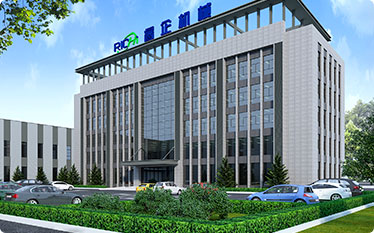
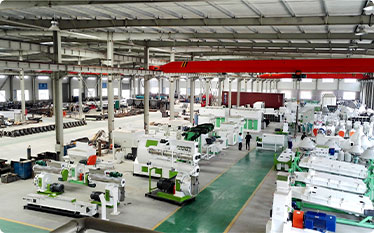
Da oltre due decenni, RICHI MACHINERY è leader nel settore delle attrezzature chiavi in mano per la lavorazione dei fertilizzanti. Il nostro team di esperti di prodotto e ingegneria offre servizi meccanici e di progettazione di alta qualità per tutte le nostre soluzioni chiavi in mano. Dalla singola macchina per la produzione di fertilizzanti all’installazione di linee complete di produzione, garantiamo la qualità e l’uniformità richieste dalle industrie di fertilizzanti più avanzate al mondo.
- Soluzioni specializzate per impianti di produzione di fertilizzanti, garantite dal nostro sistema di controllo qualità certificato ISO.
- Attrezzature per la concimazione di precisione e competenze nell'installazione di impianti di produzione di fertilizzanti.
- Produzione "chiavi in mano" di macchinari per impianti di fertilizzanti.
- Attrezzature di alta qualità per la produzione di fertilizzanti e opzioni di personalizzazione delle linee di produzione, tra cui la personalizzazione di diversi componenti, la combinazione di diverse attrezzature, verniciature resistenti, primer e rivestimenti a polvere.